How Malaysia’s golden goose of ecotourism, Sabah, keeps the visitors coming
The East Malaysian state has fostered an economy that’s as robust as its many natural wonders, from Lake Toba to Mount Kinabalu

Jhennis Mintjelungan is a 30-year-old Minahasan working as a hotel receptionist in Sorong, the gateway to the Raja Ampat islands – dubbed the “world’s most beautiful” by Conde Nast Traveller.
He hopes that the current trickle of visitors to the islands will increase dramatically and spur the local economy in this, the far western tip of Papua.
On the shores of Lake Toba in North Sumatra (3,649km away), Bona Pana Parlindungan a 54-year-old tour guide prays for more foreign visitors.
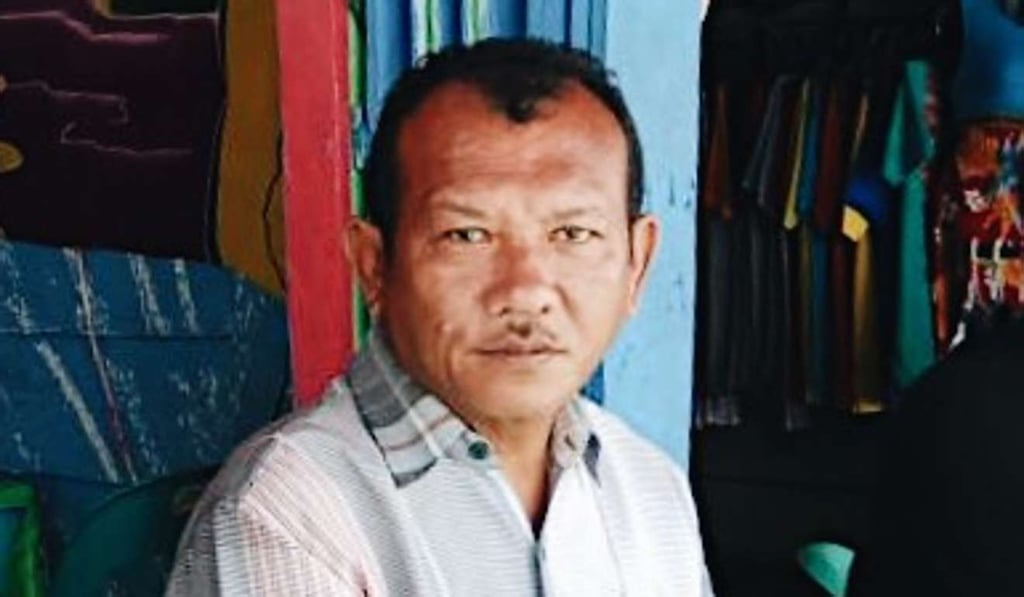
With a newly upgraded airport in nearby Silangit and direct flights to Jakarta, there’s a distinct possibility that the world’s largest caldera lake will become busier.
Tourism in Southeast Asia is growing rapidly. In 2014, travel and tourism contributed US$117.9 billion (4.8 per cent) of the region’s combined gross domestic product. By 2025, this is expected to grow to US$209.4 billion (or 4.9 per cent). This makes Southeast Asia the second-fastest growing region for tourism in the world, after South Asia.