Smoking: Australia’s packing up, why can’t China, Indonesia?
A World Trade Organisation ruling backing Australia’s hard line on cigarette packaging highlights a gulf between Asia and much of the rest of the world

I t was during a trip to Egypt in 1995 when Edison Siahaan first felt that something wasn’t quite right with his throat. Four decades had gone by since he started smoking at the age of 15. His voice had been raspy for years. Maybe this was just the dry air tickling the back of his throat.

Asian men already account for the lion’s share of the world’s tobacco related illnesses, yet a World Trade Organisation ruling this week that upheld tough anti-smoking rules introduced in Australia in 2012, showed that if anything, the gap in attitudes between Asia and the rest of the world may be widening.
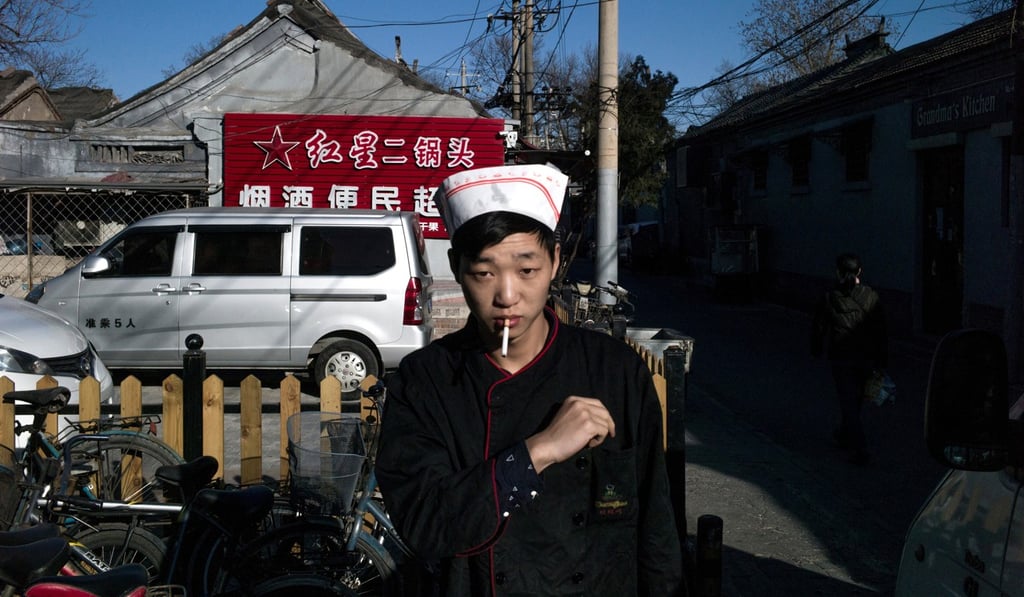
“Tobacco in China is absolutely devastating,” says Dr Angela Pratt who helps handle external relations at the World Health Organisation’s office for the Western Pacific in Manila.
China’s beef with Korea: the link between halal food and THAAD
In China, roughly 300 million people smoke, according to the WHO. Most of these are men. More than half of Chinese adults are smokers and two-thirds of young Chinese men start smoking. While smoking rates are steady, the absolute number of smokers is rising in line with population growth. Chinese smokers account for 44 per cent of all the cigarettes puffed in the world. At current rates 200 million Chinese will die this century from tobacco-related illnesses, Pratt says. “That’s a huge burden. The people afflicted are often the sole income earners,” she says.