The fast ends and the rush begins after Ramadan for Malaysians and Indonesians
The end of the Muslim holy month of Ramadan brings a great migration – known as mudik in Indonesia, balik kampung in Malaysia – when millions brave crowded trains and killer traffic to visit a single destination: home

At the Pasar Senen railway station in central Jakarta, Eko Purnomo, 26, shifts uncomfortably on the steel benches that carve up the waiting room where it is standing room only. His back against an overworked air conditioner cranked too high and his foot on a bag of clothes and bedding he’s taking to his family in Bojonegoro, Central Java, he explains why someone who makes just over US$20 a day selling meatball soup on the roadside has been waiting since before sunrise to catch a 2pm train to make the 10-hour trip home at the busiest time of the year.
“This time comes once a year and we Indonesians will make an effort to get home,” Purnomo declares. “We will sleep on the floor or on the street to get a ticket. We have been sending money home every month so we ought to [visit] at least once in person.”
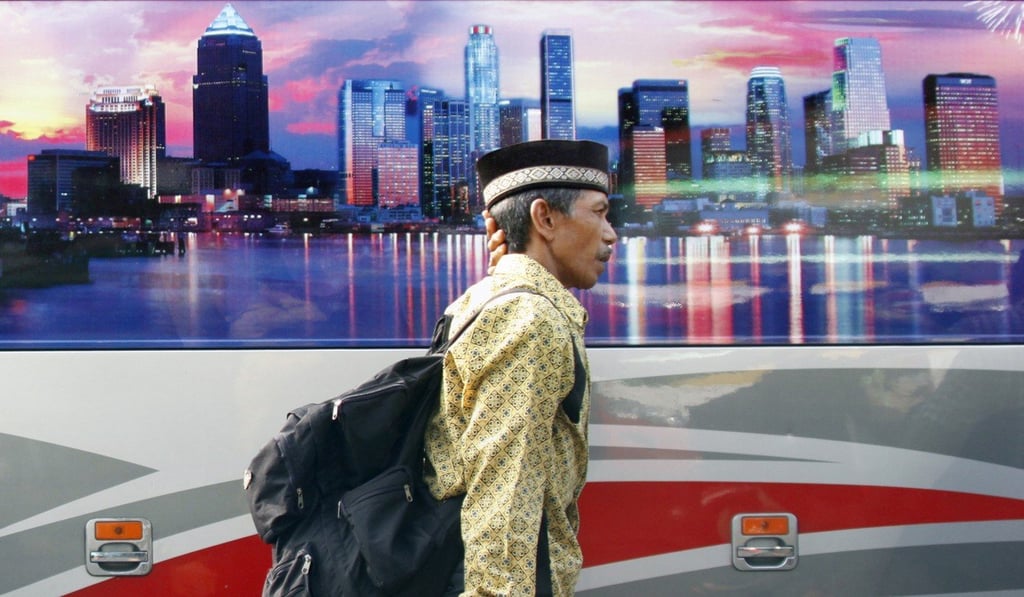
In Malaysia, as many as 1.7 million a day will take to the country’s main artery, the North-South Expressway, which runs from the Thai border to Singapore. And while their backgrounds vary, tens of millions will probably have one destination in common: home.
How Indonesian bars can keep serving in Ramadan
Varied, too, is what people in the region call the trip and the holiday afterwards. In Indonesia the exodus is known as mudik. In Malaysia it’s balik kampung. In Indonesia, the break that lays ahead is Lebaran. In Malaysia it’s Hari Raya. No matter the name, though, the break is a long-awaited reprieve for a populous that has had to strike out from their home towns to make a life for themselves in the region’s big cities.