America has come to terms with Indonesia’s past. Why can’t Indonesians?
The US has declassified documents regarding the 1965 coup that led to 500,000 deaths and the fall of Sukarno. They make for chilling reading

Bedjo Untung holds a list of 122 place names around the island of Java that runs eight pages long. They include names of small out-of-the-way places like Hutan Barisan and Bukit Wonosegoro. They sound unremarkable except that they are the home to mass graves.
This week that list grew longer. Untung, who heads the country’s largest survivors group of the purge of suspected communists in 1965, says he presented 10 more place names to Indonesia’s semi -governmental National Commission of Human Rights, bringing to 14,500 the number of bodies his organisation, YPKP 1965, believes are strewn throughout the country as a result of one of the worst atrocities of the late 20th century, a period that claimed an estimated 500,000 lives. “That’s just on Java. There will be more [graves],” he said. “Victims are scattered all over. It’s only a matter of time.”
Last week Bedjo’s search received a boost when the US government declassified some 30,000 pages of documents originating from its Jakarta embassy spanning the period of the worst of the bloodshed. For many the avalanche of paper represents a chance to push a recalcitrant government toward confronting the country’s bloody modern history.
“If America is willing to see the truth, maybe Indonesia will follow,” he says.
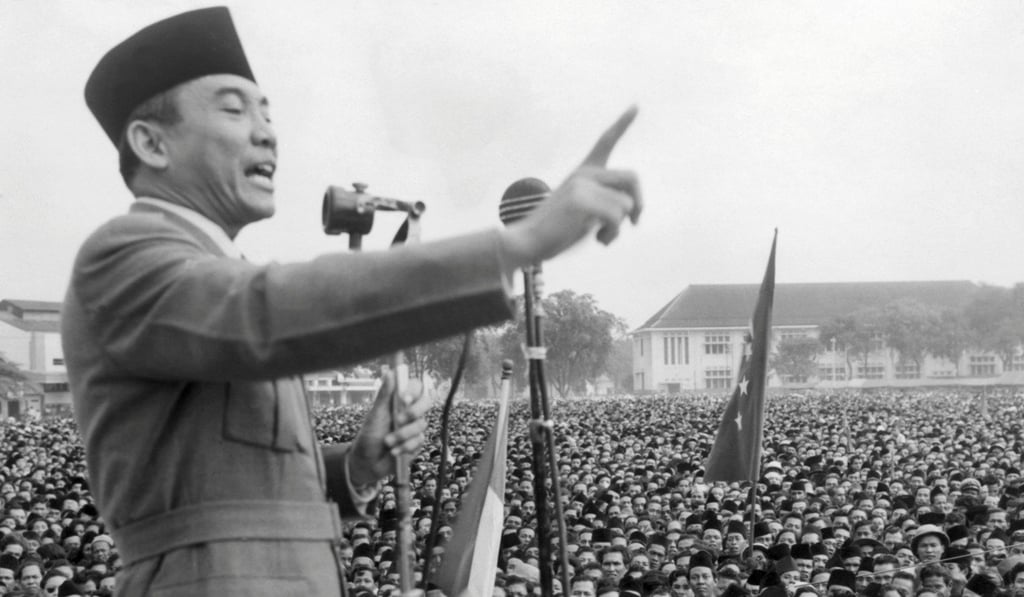
That will be tricky. Communists are something of a bogeyman here. They are blamed for attempting the 1965 coup, which led to the fall of Sukarno and the installation of Suharto soon after.