Asian AngleThe ties that bind Papua and Indonesia
Young Papuans in an eastern Indonesian boom town are excited about the future, thanks to a resurgent economy. But will the good times last?

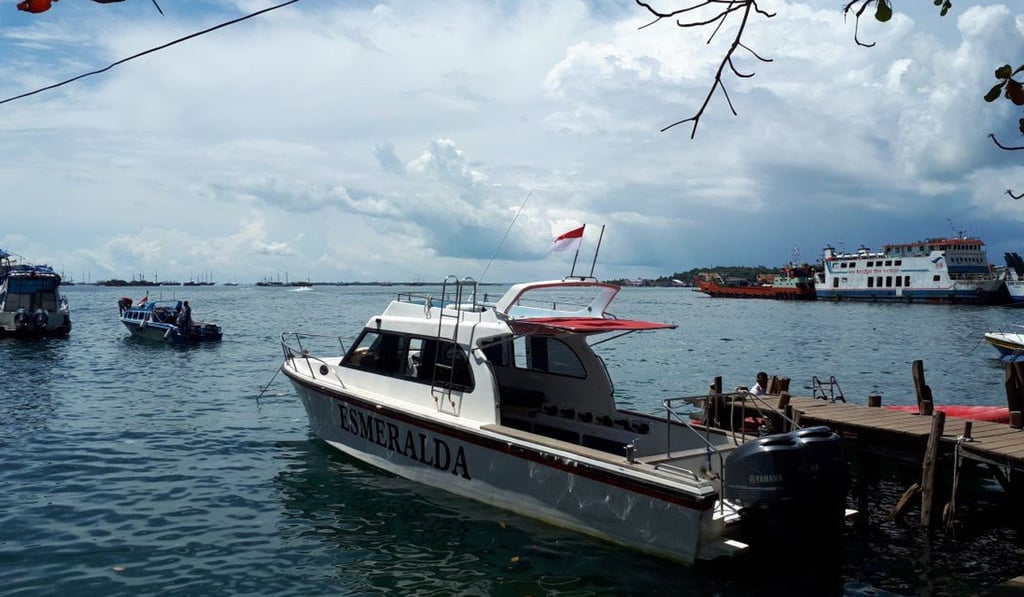
Sorong is booming. With 9.3 per cent GDP growth in 2016 (almost double Indonesia’s average) and located on the westernmost point of Papua, the 300,000-strong city is fast becoming a regional transport and logistics hub, boosted by its proximity to the fabled Raja Ampat islands and the ever-elusive bird of paradise.
However, Sorong isn’t a pretty sight. In fact, the city feels as if it’s still emerging from the scrubland – its urban sprawl stretching many kilometres into the interior, far from the waterfront that’s now bustling with activity.
Having spent some time in Papua recently, I was very curious how the younger generation – the city’s millennials – viewed their future.
Were they optimistic? Did they see the new airport, port and Trans Papua Highway as the harbingers of a prosperous future? How were relations between indigenous Papuans and newer communities – the Bugis, Javanese and Minahassans?
I met three 18-year-old students: Maria Hestina, Maria Korwa and Mega Imbiri. All three were studying at the city’s largest tertiary institution, the Sorong Muhammadiyah University.
Maria Hestina’s background was unusual. The daughter of transmigrants, her family was originally from Flores in East Nusa Tenggara. Her parents – now divorced – weren’t well-to-do. Her father was a labourer while her mother sold petrol and fruits at the market. Maria Hestina and her sister lived with her mother while her younger brother was with her father.