TikTok and Baidu at the center of first ever hearing at Beijing’s Internet Court
Issue at stake: Who owns the rights to user-generated content in short video apps?

Are short video clips -- some of them no longer than 15 seconds -- protected under copyright laws?
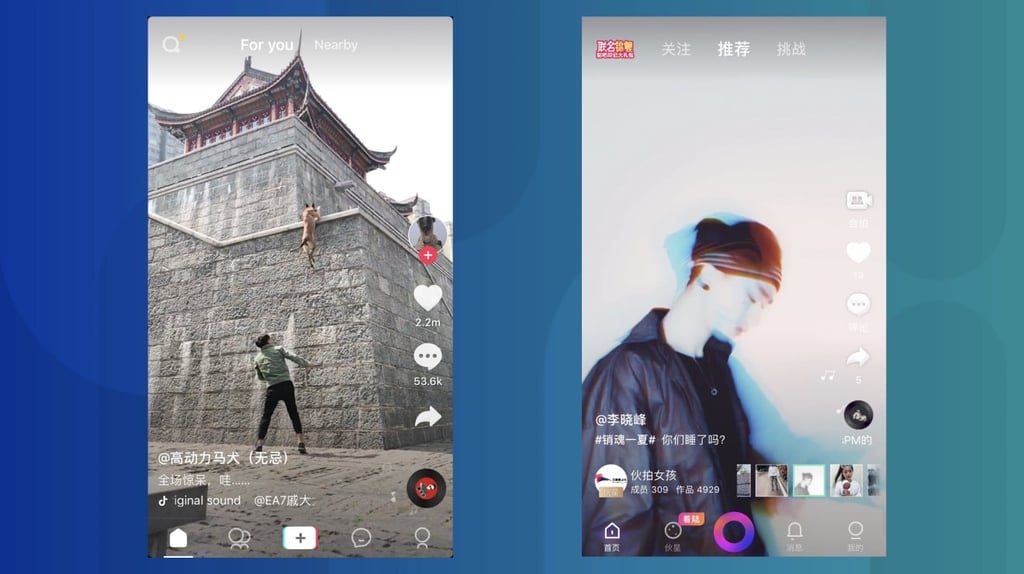
The case was filed by the globally popular short video app TikTok, whose creator ByteDance is also behind China’s hottest news app Toutiao. It claims that a rival app from Baidu, called Huopai, lets users share and download short videos that TikTok holds exclusive rights to. It’s seeking compensation of more than US$143,000 for alleged copyright infringement.
Meet Baidu, China’s homegrown search engine
Here’s what happens when you file a lawsuit at an internet court in China.
Filings are accepted electronically; evidence can also be submitted online. In TikTok and Baidu’s case, for example, the court accepted digital evidence stored on blockchain -- a first in the country’s video streaming industry.
Hearings are held via video calls, and transcriptions are done by software. Once the transcripts are ready, both parties can scan a QR code and sign their names digitally.