Advertisement
When online stunts turn deadly, should video sites be held responsible?
A Chinese court ruled a streaming platform is partially responsible for a daredevil’s death as the US debates whether internet companies should be liable for user-generated content
Reading Time:3 minutes
Why you can trust SCMP
This article originally appeared on ABACUS
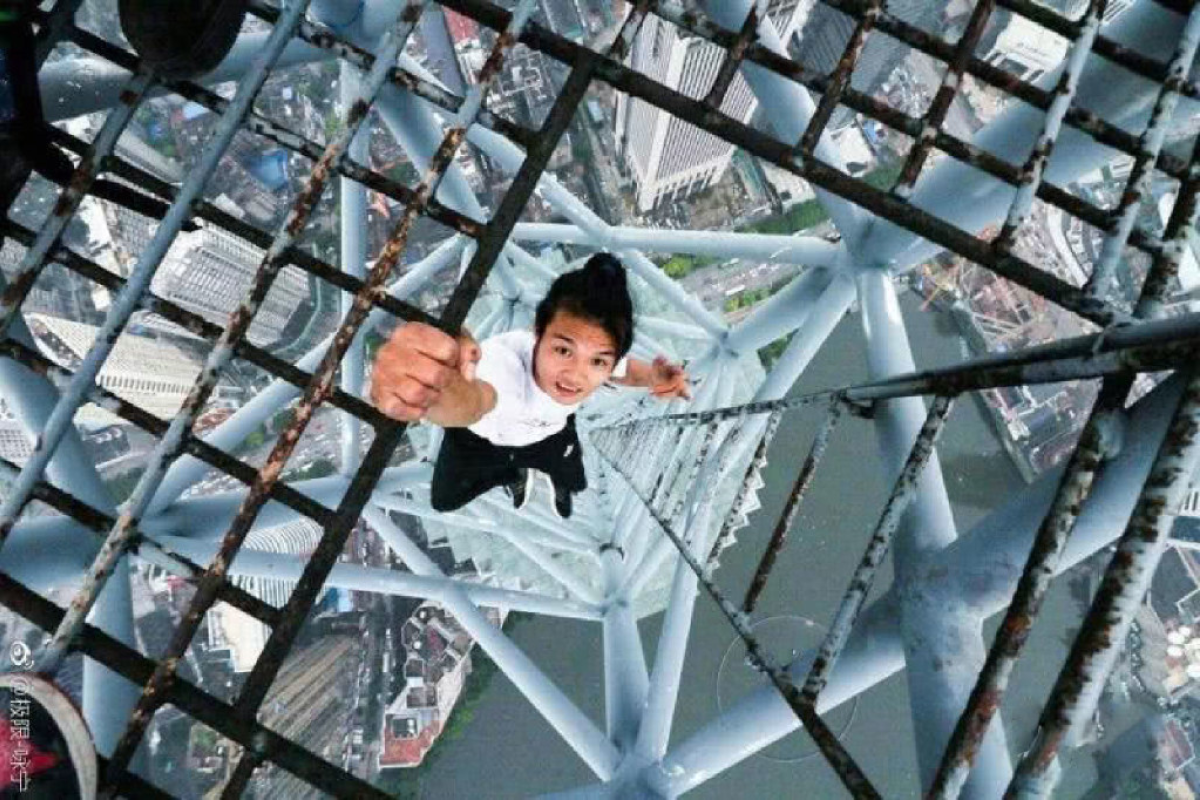
Before November 8, 2017, Wu Yongning was one of the most-watched streamers in China. The daredevil racked up millions of views online for his hair-raising selfie videos showing him scaling skyscrapers with no safety gear.
Last month, his family was awarded US$4,300 in compensation by a Beijing court. It was ruled that the owner of Huajiao, the platform that live-streamed Wu’s final stunt, was partially responsible for his fatal fall from the top of a 62-story building two years ago. He was 26.

Advertisement
Dangerous stunts like rooftopping, or climbing structures like buildings or cranes, have proven popular on streaming platforms even though the stunts are often illegal. In Wu’s case, the court ruled that the Huajiao bore some responsibility for the rooftopper’s death partly because it didn’t stop him from uploading the video or give any safety warnings.
But elsewhere in the world, platforms could be protected against legal liability.
Advertisement
In the US, platforms like YouTube or TikTok generally aren’t held liable for user-generated content under Section 230 of the Communications Decency Act. Instead, most major platforms have set up self-enforcing rules forbidding users from posting dangerous videos.
Advertisement
Select Voice
Select Speed
1.00x