Advertisement
You might see fewer Chinese shoppers with suitcases thanks to a new ecommerce law
Chinese shopping agents use WeChat to take orders, then fly abroad to stuff their suitcases with makeup and baby milk formula
2-MIN READ2-MIN

This article originally appeared on ABACUS
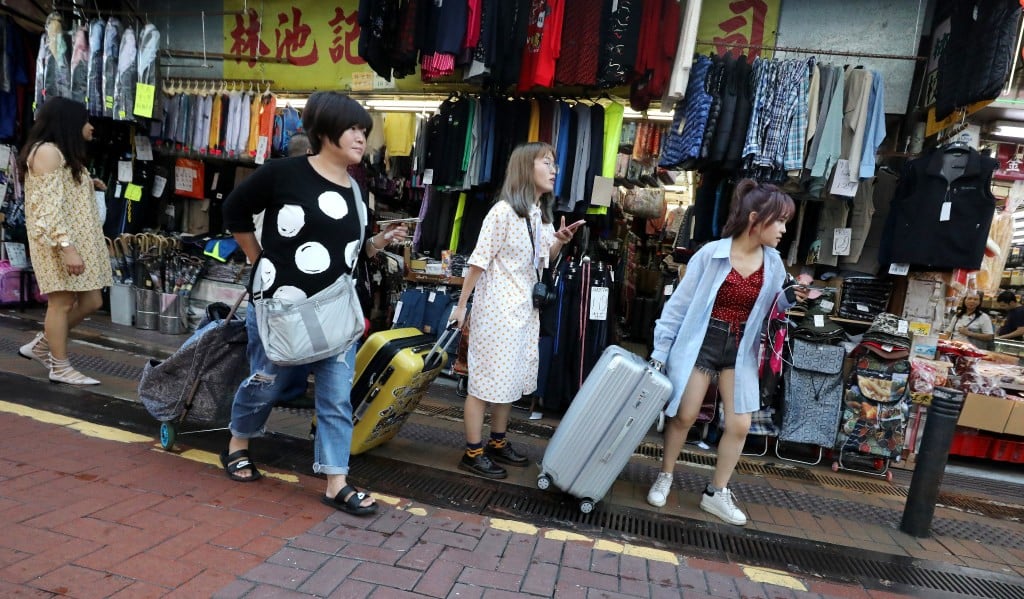
It’s a common sight in Asia and in some other cities around the world: Chinese shoppers packing baby milk formula or makeup products into their suitcases. But it’s a sight you might start seeing a little less from now on.
A new ecommerce law that went into effect on the first day of 2019 is sending chills through China’s “daigous”, who make money from buying goods overseas for customers back home. They previously operated in a grey area, but now they’re required by the new law to register as an ecommerce businesses and start paying taxes.
Daigou, which literally meaning “buying on behalf of”, has been a huge business in China thanks to platforms including WeChat and Alibaba’s Taobao. They build a big network on WeChat and then post product information in its newsfeed, Moments. Sometimes they’ll even broadcast themselves picking out products and answering questions on streaming platforms. Estimates say there are more than 100,000 Chinese daigous in Australia alone, and over a million globally.
Advertisement
(Abacus is a unit of the South China Morning Post, which is owned by Alibaba.)
Advertisement
The new law will fine both merchants and platforms for illegal behavior. It’s not yet clear how each platform will enforce the new law, but we’re already seeing how sellers are trying to stay out of trouble.
Advertisement
Select Voice
Select Speed
1.00x