Advertisement
Parental control for grandparents? China struggles with protecting the elderly online
Qihoo 360 has special settings for those trying to scam your grandparents
2-MIN READ2-MIN

This article originally appeared on ABACUS
We’re used to hearing about (or using) parental controls on smartphones to protect kids. But in China, some have found that parental control may be more useful for the parents of the parents.
Cybersecurity company Qihoo 360 introduced settings into its mobile security app to keep its elderly users out of trouble. Its 360 Mobile Security app includes an option to blacklist certain numbers that have been linked to scammers. Even if a call goes through, it will also send a warning to the elderly person's children.
It’s not the only app trying to stop scammers reaching its elderly targets which are growing by the numbers.
Advertisement
Almost 96% middle-aged and senior citizens in China are using smartphones to surf the web, according to last year's report by Tencent and state media People's Daily. Many of them skipped the PC era entirely… but they also seem to have skipped online fraud education.
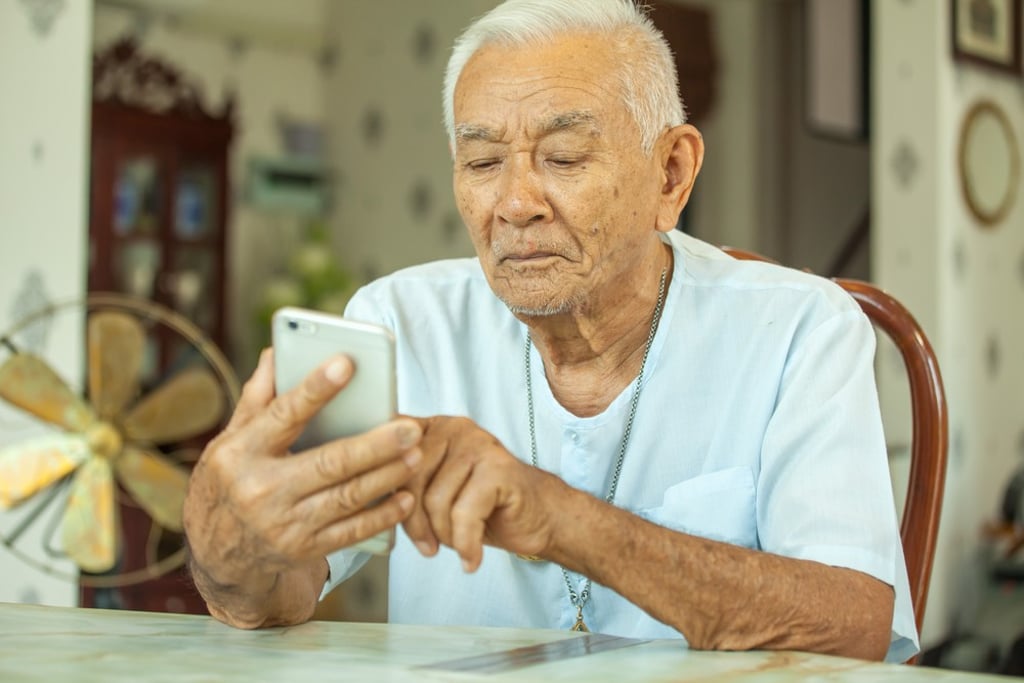
Fraud has become rampant according to the local Ministry of Public Security. Last year alone, police cracked down on 3,000 cases worth US$20.5 million -- and that’s only the ones involving healthcare products. Aside from dubious medical solutions, many seniors are falling for scammy financial products and collectibles.
Advertisement
Qihoo 360's 2018 report on consumer rights showed that fraudsters are highly trained in sweet-talking grandparents. However, scams targeted at the elderly in China aren’t just made through spam calls. Many operate through China's most popular social platform, WeChat, which makes transferring money even easier through WeChat Pay.
Advertisement
Select Voice
Select Speed
1.00x