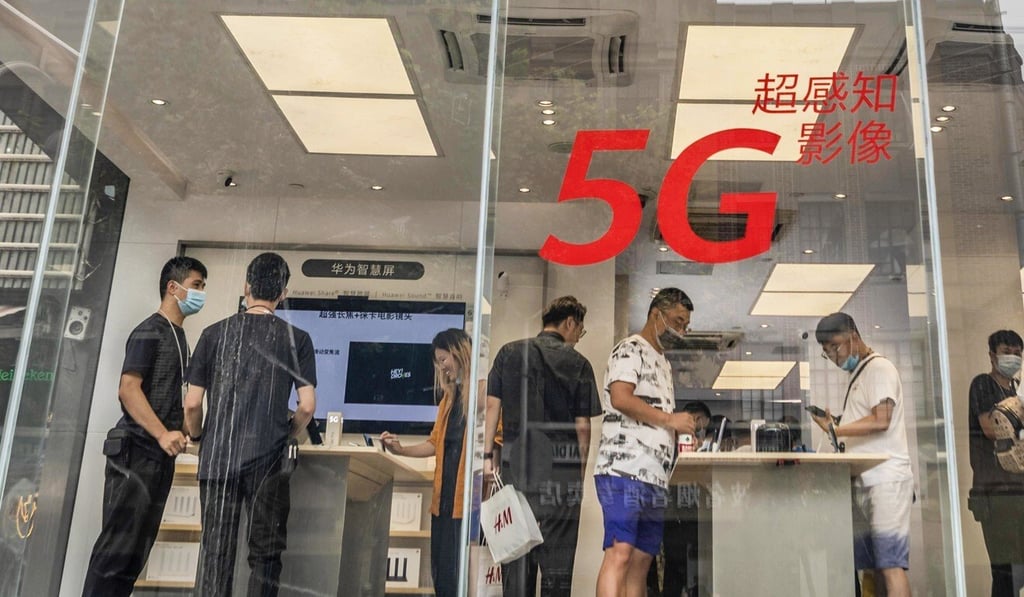
5G towers are consuming a lot of energy, so China Unicom is putting some of them to sleep overnight
- China Unicom decided to put some 5G base stations to sleep between 9pm and 9am, prompting concern from users
- 5G energy consumption is an environmental problem that’s being overlooked, some experts say

When people talk about 5G, they’re often talking about the enormous boost in speed you’ll get from using the new mobile network technology. What many people don’t realise, though, is that it’s also expending a lot more energy for Chinese telecom companies.
At the beginning of August, a China Unicom branch announced that it would put some of its ZTE 5G base stations to sleep between 9pm and 9am to reduce electricity costs in the city of Luoyang.
A recent white paper from telecom equipment maker Huawei illustrates the problem: 5G base stations use up to three-and-a-half times more energy than 4G infrastructure. Part of the problem is that this new generation of mobile connectivity requires more densely placed base stations.
So as China has been rapidly rolling out new 5G base stations, reaching 410,000 nationwide in June, some cities are putting the ones they have to sleep to save energy because there aren’t enough users yet.
But Unicom, one of the country’s three state-owned telecom companies, is trying to assure users that they aren’t likely to see any change in service. “There’s no need to make a fuss,” said China Unicom CEO Wang Xiaochu.
“Shutting down base stations is not a manual shutdown, but an automatic adjustment made at a certain time, which has no impact on consumers and is good for investors,” Wang said, according to local media reports.