Wild and wonderful: Myanmar
While we might get older, the less trodden path is worth following again and again

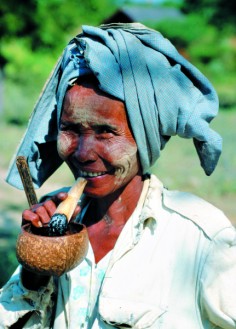
I first came to Kalaw 10 years ago. In those days, the bus ride across the mountains from Mandalay to Inle Lake was brutal - 14 hours in a lurching rust bucket on a road more suited to a donkey than the pathetic excuse for a bus I was in. Not able to bear any more spinal agony, I exited in Kalaw, a pleasant Shan State hill town with agreeable weather, a handful of guesthouses and a few guides eager to take travellers into the surrounding mountains. It was here that I met Mr Robin, a turbaned Sikh who had grown up in Kalaw. He told me his father had come as a soldier for the British during colonial rule, and that large numbers of Sikhs and Nepali Gurkhas had inhabited the hills of the Shan area. Even today, one can still find thali meals with dal and vegetables along with sweet cups of Nepali tea in the small hamlets around Kalaw, along with Ganesh elephant shrines adorning the colourful homes.
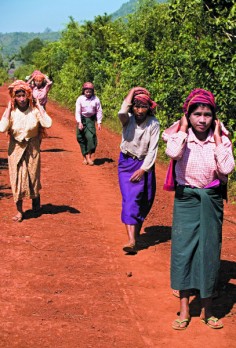
Robin took me into the hills for a memorable few days, leading me to Pa-O ethnic minority villages, where old women smoked cigar-like cheroots, and where fields of endless rape blossoms and mustard seed flowers shone a glittering gold as shiny as any of the stupas topping Yangon's majestic Shwedagon Paya Temple. I asked Robin if he was tired of taking visitors traipsing around the hilly terrain, but he just smiled and said, "it keeps me young and I can meet the world without ever leaving home".
I hammered my lungs and knees trying to keep up with the spry Robin during this time, but returned home feeling like I'd seen a lot more of Myanmar than just temples and trinkets.
Almost a decade later found me back at Inle Lake, enjoying the beautiful scenery, relaxing in a hammock, and watching the fishermen float past, displaying their marvellous one-legged rowing technique - due to the amount of plant cover in Inle's waters, the fishermen row standing up with one leg, thus allowing them to see ahead, and keeping their hands free for working their fishing nets.