Winter Olympics: 7 ways China convinced 300 million people to embrace skiing, snowboarding and curling as part of Games’ legacy
- China is banking that hosting the 2022 Winter Olympics will have a significant impact on winter sports participation across the country
- Beijing is spending billions to build a winter sports infrastructure, from ice skating rinks to ski resorts, in addition to coaching and training staff

What does it take to build a lasting legacy of an Olympic Games? In China that means spending billions to encourage some 300 million people to embrace winter sports on a scale unlike anything we have ever seen.
From building ski resorts, investing in coaching and training staff to environmental programmes, we take a closer look at how China is pushing its population to embrace winter sports.
300 million
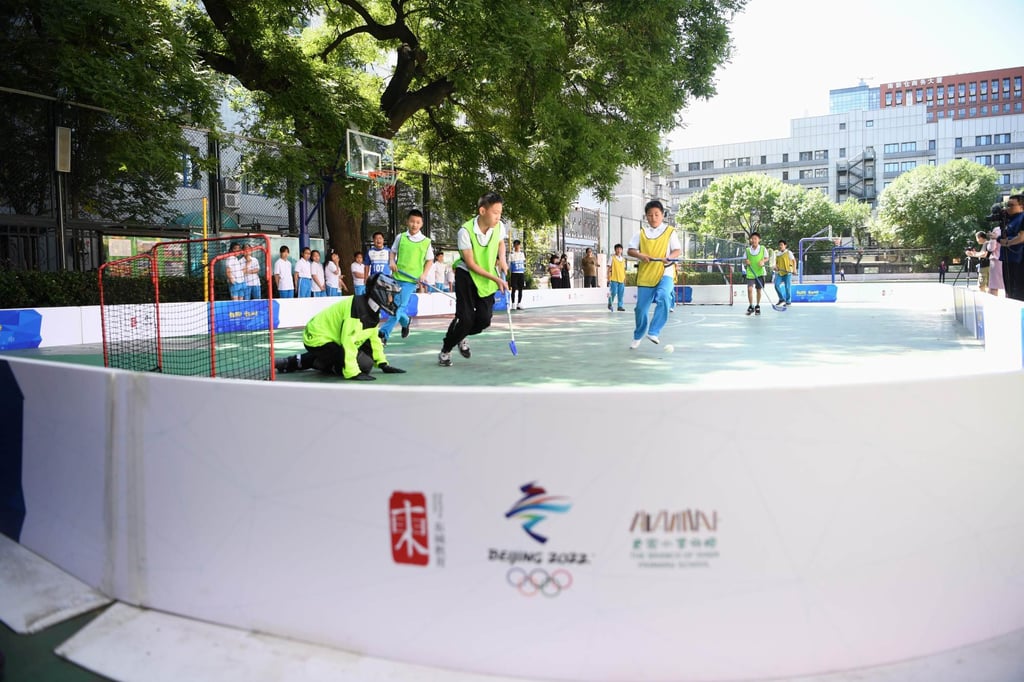
Beijing 2022 organisers have been aiming to encourage 300 million Chinese to engage in winter sports and the nation’s residents have responded with gusto. Official figures show the number reached a record-breaking 224 million in the winter season of 2018-2019, exceeding 200 million for the first time in history. The most recent figures released by China’s National Bureau of Statistics show that since 2015, some 346 million people have taken part in winter sports activities.
US$96 billion
Eye-watering sums of money have been poured into China’s Olympic legacy programme. IOC data shows that between 2018 and 2019 alone, investment in winter sports had reached US$96 billion, or around 610 billion yuan. Despite Covid-19 restrictions this investment is already starting to prove worthy, with US$60.6 billion, or about 386 billion yuan, in revenue generated over the same period.
10,622
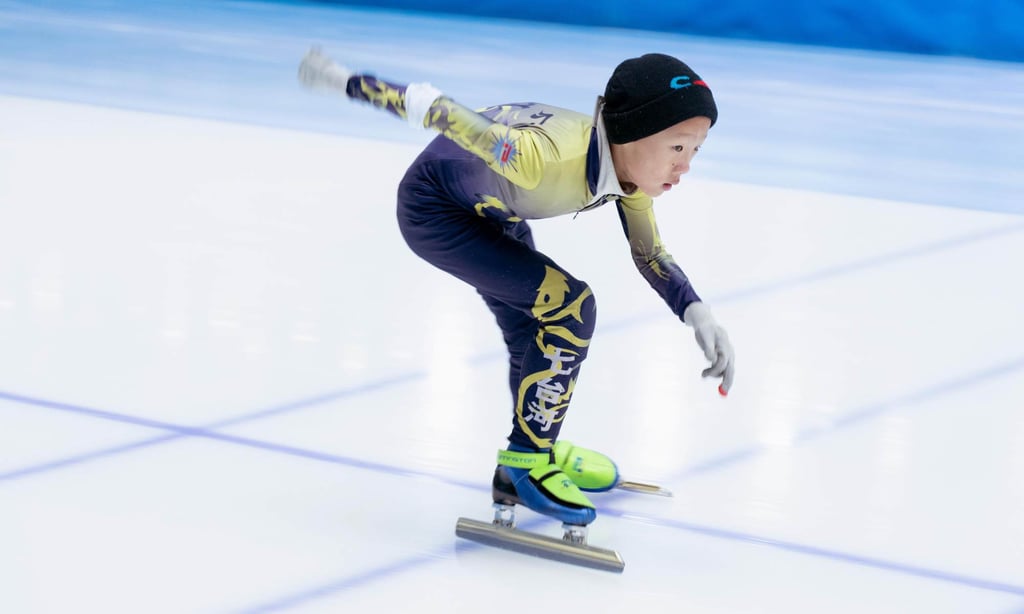
By the end of 2019, grass roots participation in winter sports hit 10,622 registered athletes, double that of 2015. An additional five youth ice hockey teams and one ski team were started, on top of 126 winter sports teams.
23,000
With all these new venues in operation, China has been building up coaching and training staff at a remarkable rate. By the end of 2019, Beijing provided training programmes for a total of 23,000 winter sports instructors, while Hebei Province offered training to 9,300 instructors.
176
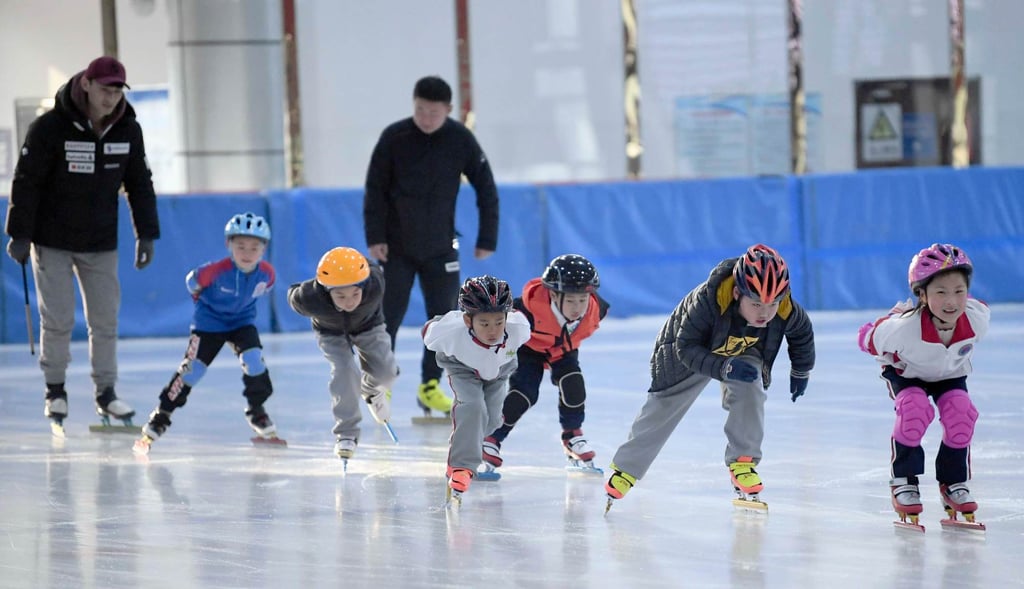
China announced a 176-athlete team for the Beijing 2022 Olympic Winter Games, two times higher than that of the previous Games in Pyeongchang. Athletes will compete in 104 events across all 15 disciplines. Amazingly, China had never competed in about a third of the 109 events when Beijing was awarded the hosting right of the 2022 Winter Olympics in 2015.
40
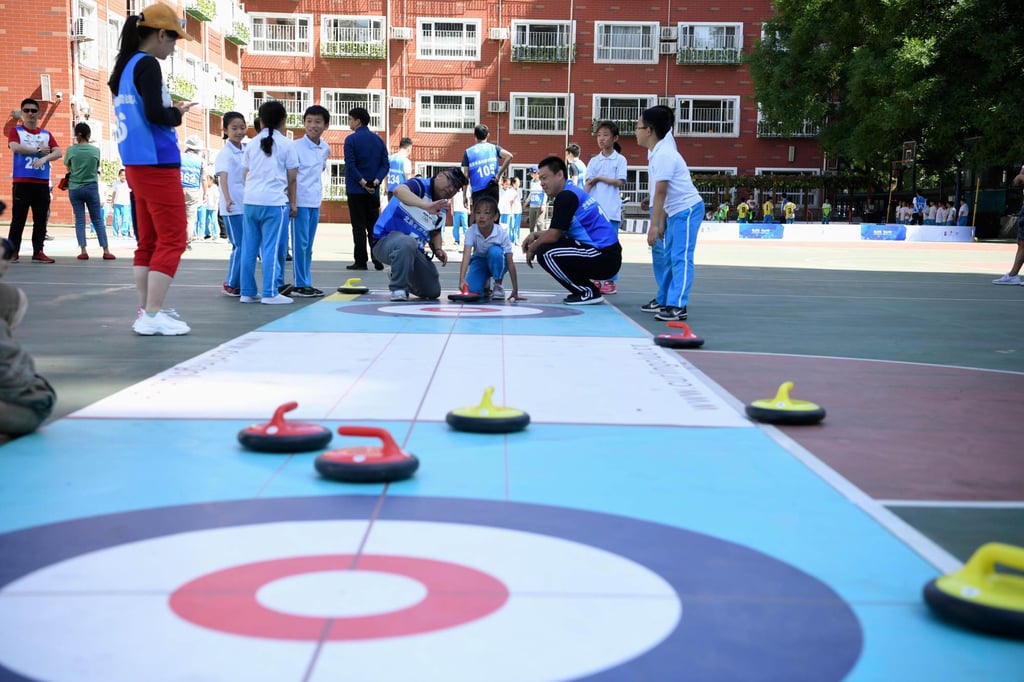
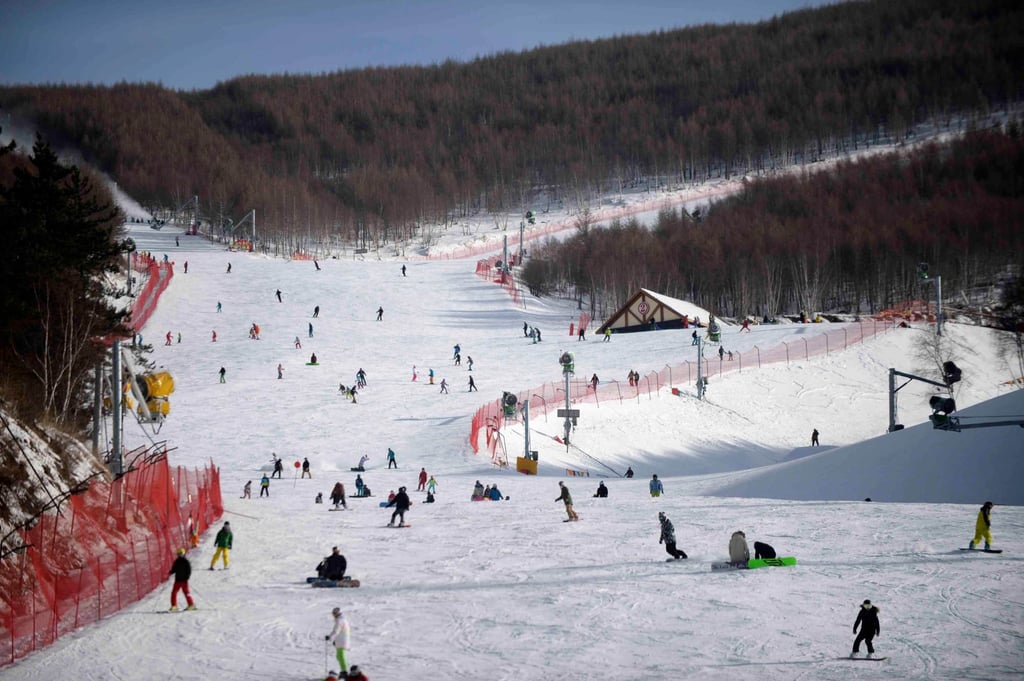
Tourism is playing a huge part in China’s Olympic legacy initiative and melding sports with other activities from shopping, leisure and entertainment has been instrumental. In 2017, 26 snow resorts were built across China, and another 40 in 2019. Beijing has also requested that each of its districts build at least one new indoor skating rink and plans are under way to build nearly 1,000 ice rinks in no less than 100 cities across China. These ice rinks will mostly be free of charge. Schools are also encouraged to build skating rinks.
2060
Beijing 2022 a carbon-neutral Olympics, so we’re told and preparations for the Winter games have seen major investments in the environment, from air quality to forest coverage of Beijing and Zhangjiakou. So far it’s paid off. In Beijing, the level of particulate matter in the air decreased 48 per cent between 2015 and 2019. Forest coverage of Beijing and Zhangjiakou reached 44 per cent and 50 per cent respectively in 2019. This is all part of a broader plan for China to be carbon neutral by 2060.