Climate change is causing diseases like dengue, as well as flesh-eating bacteria to flourish
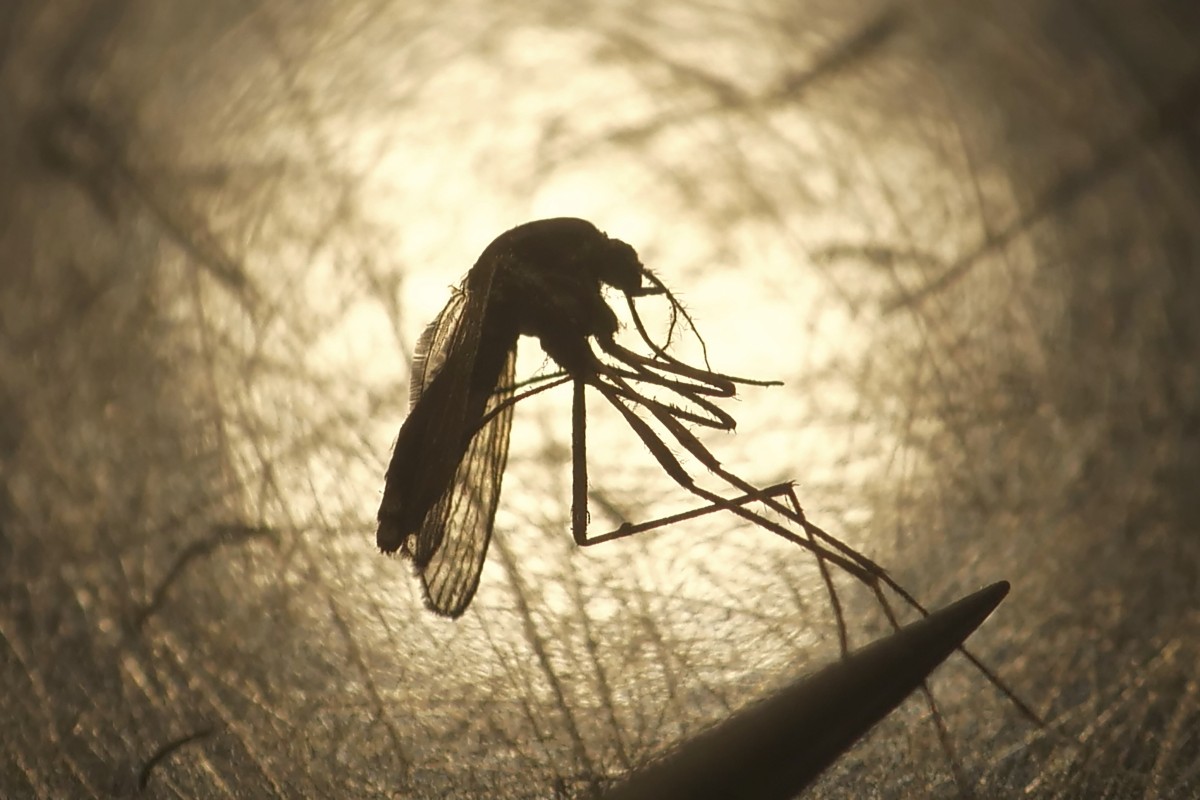
An outbreak of a deadly and rare brain disease has killed at least 11 people in the United States so far this year. Scientists say the mosquito-borne illness, Eastern equine encephalitis, may be worse because of unseasonably warm temperatures. It’s one of just several diseases scientists worry are being affected by climate change.
The nation’s changing climate patterns are bringing heatwaves, flooding, warming waters and droughts. These in turn alter the environment, and the microbes, viruses and insects that inhabit it in ways that can cause them to increase or appear in new areas and at different times than before.
While it’s difficult to attribute any particular disease event to global warming, it’s safe to say that climate change will change disease dynamics, said Erin Mordecai, a professor of biology at Stanford University in California, who studies the ecology of infectious disease.
10 air pollution facts that should terrify you
“We’re poised for a lot of surprises,” Mordecai said.
Eastern equine encephalitis virus
One is Eastern equine encephalitis virus, or EEE, which kills a third of all people who get it. A mosquito-borne virus, it tends to come in cyclical waves with large outbreaks occurring many years apart. This is the biggest outbreak since the 1950s or 1960s, said Mordecai.
There are no definitive ties to global warming in this outbreak but “this is such an emerging story there hasn’t been time to research it yet,” Mordecai said.
What is known is that the mosquitoes which transmit the virus thrive in warmer temperatures and die off at the first hard frost.
That’s where climate change comes in. The Earth just had its warmest September on record. The past five years have been the warmest since modern record-keeping began in the 1880s, according to NASA.