The great rape of the Everglades
What nature took millennia to build took humans only decades to tame. If only we knew then what we know now ...

Today, we understand that natural systems like the untouched Everglades in Florida provide enormous benefits – water filtration, nurseries for fish and other wildlife, protection from storm surges, even carbon sequestration. But to 19th-century Floridians, all that water – and the mosquitoes and reptiles it harboured – represented an impediment to progress.
And so when Florida became a state in 1845, one of the Legislature’s first acts was to pass a resolution asking Congress to survey the “wholly valueless” Everglades “with a view to their reclamation”.
Beginning in earnest during the 1880s, humans began draining the swamp. They dug canals east and west from Lake Okeechobee, carrying nutrient-laden water that altered the salinity of coastal estuaries and caused toxic algae blooms. They seeded the wetlands from the air with a thirsty, paper-barked Australian tree called melaleuca. The vast custard apple forest that girded the lake’s southern shore was torched, burning so fiercely that it set the very earth on fire. Peat soils that had accumulated over thousands of years dried up and blew away.
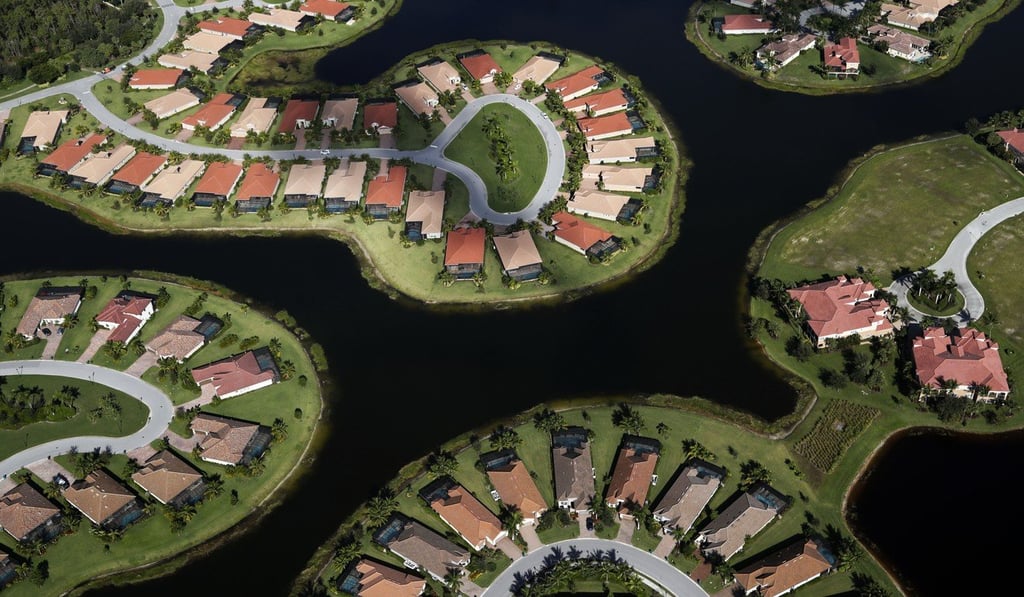
Over the course of just the last century, about half of the Everglades’ original footprint has been lost – ploughed under or paved over, never to be recovered, so long as South Florida’s 8 million human inhabitants claim it for their homes, livelihoods and recreation.
The glades have been sapped by canals and dams that dramatically changed the landscape and altered animal habitats, polluted by upstream agricultural areas, transformed by invasive species. And now, rising sea levels – this time, caused by man – threaten to undo what it took nature millennia to build.