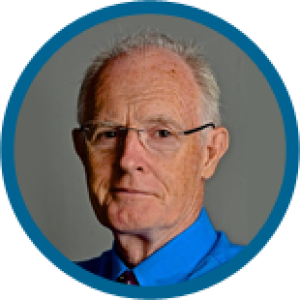

Marc Faber has over the years developed a highly successful persona as Dr Doom and is the author of the well-read Gloom, Boom & Doom Report - though anyone acquainted with him will know he is anything but gloomy. Those anticipating more gloom from him were not disappointed yesterday as he delivered the final keynote speech at the CLSA Investor Forum.
His message since the financial crisis has been fairly consistent. He has railed against the current policies of the US Federal Reserve and other central banks in the developed world which have resorted to printing money as a way out for the financial crisis that engulfed the world in 2008. Western economies have been hijacked by neo-Keynesian economists. They argue that expansionary monetary policies are necessary to boost economic growth rates through inflation and by inflating asset prices.
However, Faber argues that these polices make it impossible for economies to grow rapidly. Indeed, living standards are falling. "I believe we are in the midst of the generation that for the first time in Europe, US and Japan will die poorer than their parents," he said. As he has said before; "When you print money it benefits few people. Those with assets such as property and stocks get richer, while the rest see their cost of living rise while their wages do not go up commensurately."
However, this will not be the case for people living in emerging economies, who will experience faster economic growth and improving standards of living.
The reason why the developed world is not growing satisfactorily is due to the high levels of government spending. In 1913, government spending as a percentage of US GDP growth was 7.5 per cent, and 27 per cent in 1960. Now it is 41 per cent, while in some European countries it is more than 50 per cent. In 1985 the Federal Reserve's balance sheet was US$200 billion - now it is US$10 trillion. Total credit in the world has increased by 30 per cent since 2007.
Faber cited the exploits of one of Hong Kong's former financial secretaries, John Cowperthwaite, who is often credited as the architect of Hong Kong's economic miracle in the 1960s and '70s. When asked later how he did it, Cowperthwaite responded that essentially he did nothing. He let people get on with it. Most of his time was spent preventing other government officials from intervening in the economy.