Sinopec, world’s largest oil refiner, wary of secondary US sanctions on Iranian crude importers
China imported 31 million tonnes of crude from Iran last year, and some of state-backed refiner’s plants are designed especially to process Iranian crude

The price of oil will rise if trade in Iranian crude is halted as a result of US sanctions, China Petroleum and Chemical (Sinopec), the world’s largest oil refiner said on Monday. The company has refineries especially designed to process oil from Iran, the world’s fifth-largest producer.
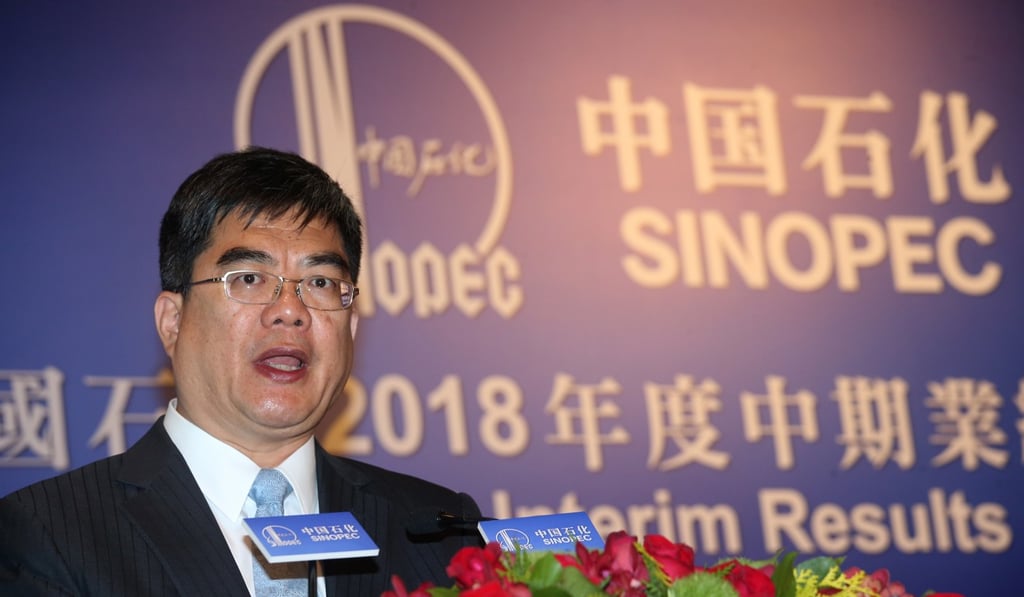
“If global trading of Iranian oil is stopped, the impact on oil prices is obvious … [and] it will hurt our commercial interests,” Huang Wensheng, Sinopec’s vice-president and company secretary, told the media on Monday, a day after the company unveiled a record high interim profit. “We are very concerned and have been communicating with relevant authorities in a bid to avoid potential risk,” he said.
The state-backed refiner processed 239 million tonnes (about 1.7 billion barrels of oil) last year, of which more than 85 per cent was imported. Some of its refineries, built many years ago, are designed especially to process Iranian crude, and such plants have long-term supply contracts with Tehran, said Huang.
The Trump Administration announced in May it would withdraw the US from a nuclear deal struck between Iran and six world powers three years ago aimed at limiting Tehran’s nuclear capabilities in exchange for the lifting of some sanctions. Washington will reimpose sanctions against Tehran on November 4, and wants other countries to stop importing Iranian oil by then.
Companies that continue to trade with Iran could be at risk of being locked out of the US market and banking system under so-called secondary sanctions.