
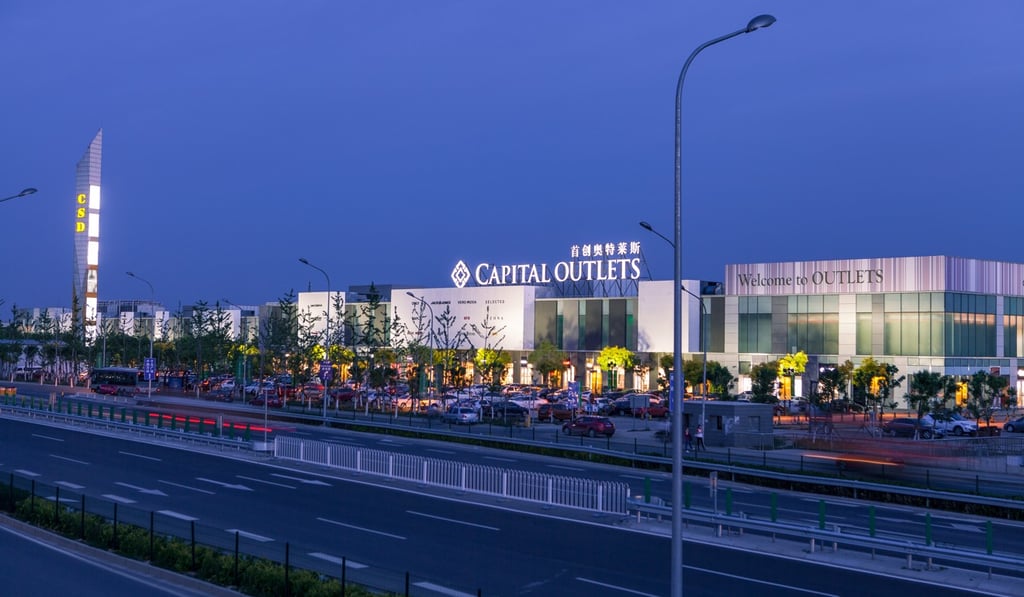
China, the fastest growing region for the outlet mall sector
- The outlet mall is well placed to outperform in both periods of strong and weak economic growth

Designer outlet operators, which previously focused on the US and Europe, are now casting their eyes further eastwards to Asia, most notably to China. The global expansion of outlet malls presents significant investment opportunities as they have proved to be relatively immune to cyclical economic and real estate market swings, as compared to other core real estate sectors which have more pronounced market cycles.
But what are outlet malls and what makes them so special? Typically, they are single-storey, village-style retail centres, selling goods at a 30 to 70 per cent discount. They do, however, come in all shapes and sizes, and naturally vary in quality. Ownership is largely accounted for by a few major players who tend to manage the better schemes, plus a larger group of single or small portfolio owners.
This specialist division of the retail market is relatively immature — as both a shopping concept and an investment opportunity. This is changing as retailing becomes more international and demand for luxury goods increases globally, in line with the burgeoning middle classes. The sector is already popular with shoppers and tourists, and the best schemes generate among the strongest sales densities of any retail destination. Retailers, enticed by the strong footfall and sales, are increasingly including outlets in their portfolio strategy.
The sector is well placed to outperform in both periods of strong and weak economic growth. During a buoyant economic period, the sector benefits from tourism growth, a greater propensity to enjoy a day out, and a boost in the demand for luxury goods.
In poor economic times, outlets benefit from a more cost-conscious consumer and surplus stock on the high street, meaning retailers are channelling more goods through this medium. In 2008 and 2009, the sector demonstrated excellent resilience to the poor market conditions - sales fell only by 0.5 per cent compared to the European average of a 5.4 per cent contraction, showing its resilience in a low-growth environment.
Another factor that supports outlet mall growth is the positive sales underpinned by long-term consumer trends, such as the growth of online shopping. The ability to compare prices online is a challenge to retailers selling full price products. This is where the outlet mall model comes in.