US certifier expands in Hong Kong as man-made diamonds sparkle among millennials
- Lab-grown diamonds to be ‘pretty prevalent’ in the market over the next year or two, says executive vice-president of Gemological Institute of America
- The concern of the trade in not being able to differentiate between natural and man-made stones, says CEO

Diamond grading and certification services provider Gemological Institute of America has opened a new, larger lab in Hong Kong, partly with the aim of differentiating between “lab-grown” stones and those found in nature.
Thomas Moses, executive vice-president as well as chief laboratory and research officer at the institute, said the volume of lab-grown diamonds amounted to between 3 per cent and 4 per cent of that of natural diamonds. “In the next year or two, lab-grown diamonds will be pretty prevalent in the market … [and by having the testing capacity and equipment ready] we are trying to be a little bit ahead of the curve, so that the industry has the tools … to make sure this product is identified correctly,” he said.
Mainland China is the world’s largest producer of lab-grown diamonds, and its market share was forecast by Morgan Stanley in 2016 to rise to 15 per cent in the gem quality melee diamonds segment and 7.5 per cent in larger stones, by 2020.
And these stones are viewed by some sellers of natural diamonds as a threat to their business, because of their rising price competitiveness and appeal among younger and economically less well-off consumers, who are also conscious of the environmental and social cost of mining.
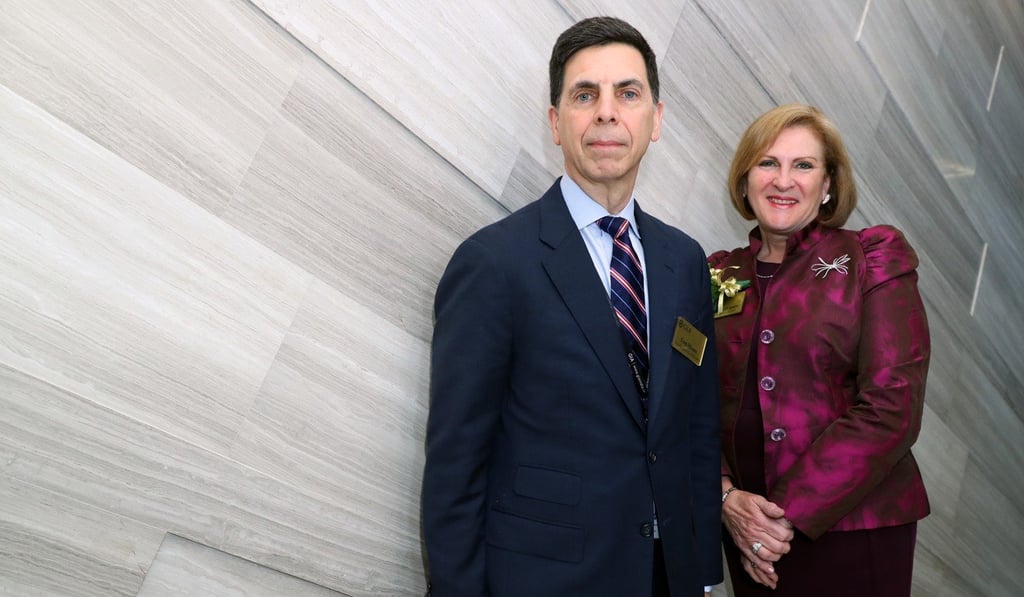
“The concern of the trade in not being able to differentiate [between the two has resulted] in some of the services we provide, especially for tiny stones called melee … We put thousands of stones in an instrument at a time, and it will separate out the natural from the lab-grown stones,” said Jacques.