
Co-living emerging as a sought-after alternative investment strategy in Hong Kong’s current economic environment
- Investors and landlords may find opportunities in converting underperforming hotels to co-living products for more attractive returns

In recent years, the shared economy has gone beyond the workplace to living space in Hong Kong. While the local co-living market is still in its infancy, with only around 10 buildings in the city, there are signs pointing to its potential as the next big business.
According to the CBRE Global Living Report released earlier this year, Hong Kong maintained its position as the world’s most expensive residential city, with an average property price of more than US$1.2 million.
Co-living is gaining more traction as demand for residential leasing remains keen. Fuelled by the limited supply of private residential units and sustainable demand from end users, vacancy is expected to remain extremely low and prices are expected to stay high in the foreseeable future.
In the past two years, co-living has emerged as an attractive option for young local and foreign professionals, millennials and those who simply want to live an independent life from their families, while also wishing to minimise costs in such an expensive market.
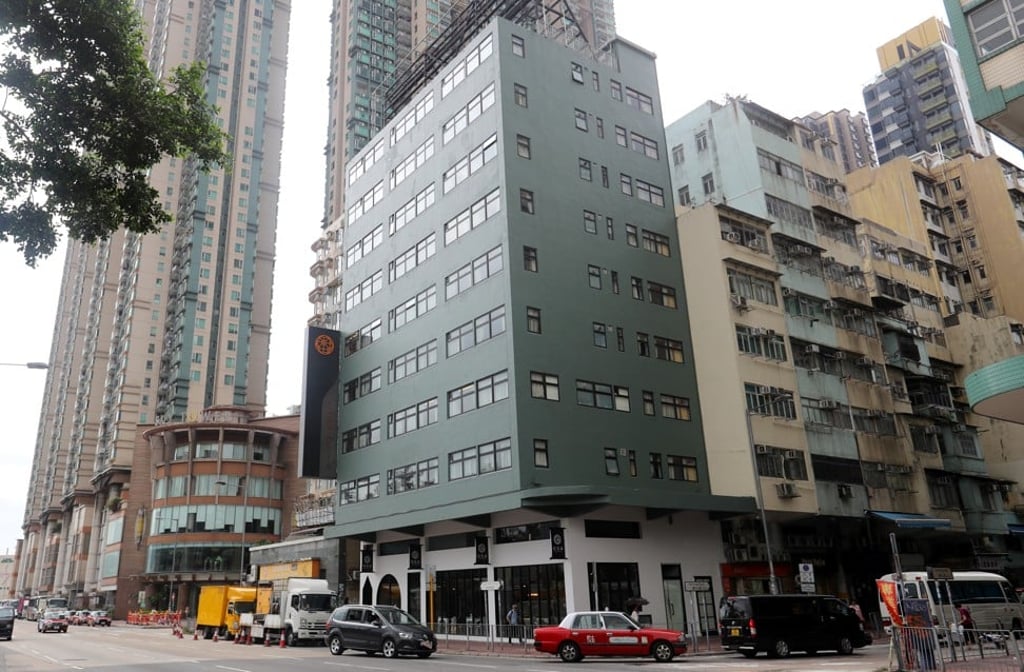
The average monthly rent for co-living flats ranges from HK$7,000 (US$895) to HK$22,000. The fact that people can share facilities and utility bills with other residents help bring down the rental cost per person.