Nasdaq-listed supply chain firm 111 is helping China’s 280,000 family-run pharmacies compete with big guns
- Shanghai-based 111 is helping family-run shops access advantages enjoyed by larger chain stores, founder says
- Company is pursuing Star Market secondary listing for higher stock valuation, broader investor base and stronger brand recognition in China

Supply chain digitalisation will not only allow China’s family-run pharmacies to survive, but also enjoy the advantages accessed by their chain-store rivals, according to Shanghai-based 111.
The Nasdaq-listed company, which manages supply chain operations for the world’s largest network of independently owned pharmacies, is pursuing a secondary listing on the Shanghai exchange’s Science and Technology Innovation Board, also known as Star Market.
SCMP Research China Healthcare Report 2020
Family-run shops account for more than half of China’s 480,000 retail pharmacies. The rest of the market is held by chain stores, the largest of which only has a 2 per cent market share, Yu said. The sector is served by 14,000 distributors. Access to digital and cloud-based technology will stave off major consolidation in the world’s second-largest pharmaceutical market.
“The fragmentation will remain for a fairly long time – at least for the next three to five years,” Yu said, adding that it had “resulted in low efficiency and lack of transparency”.
03:07
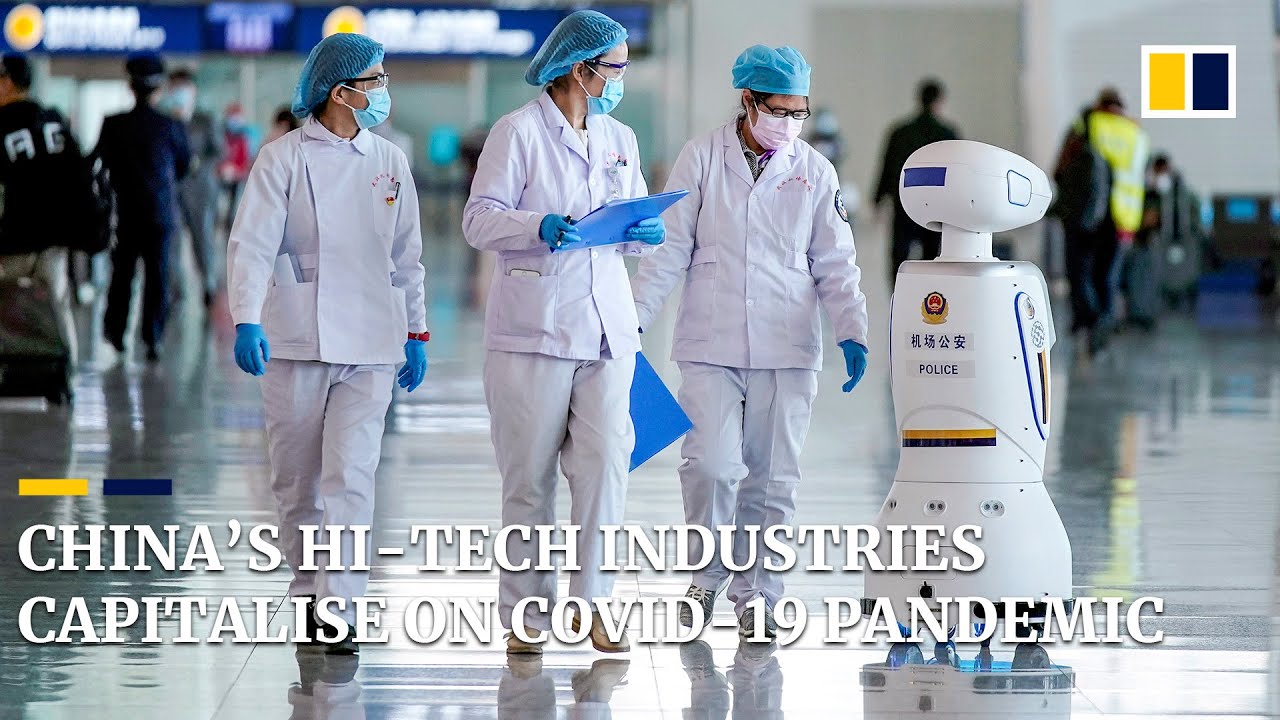
China’s hi-tech industries capitalise on Covid-19 pandemic health care needs
He pointed out that the structure of China’s pharmacies sector was in sharp contrast to that found in the United States, for instance. Three retail chains – Walgreens, CVS Health and Rite Aid – together account for 82 per cent of total sales in the US, while three distributors – McKesson, AmerisourceBergen and Cardinal Health – controlled more than 90 per cent of the market, Yu said.