Hong Kong’s recycling of lead acid batteries is failing, as scrap traders and illegal exports get the better of fully automated plant
- Hong Kong Battery Recycling Centre has the capacity to process 41,600 tonnes of waste lead acid batteries annually
- The city’s sole commercial recycling plant for batteries is capable of recollecting 80 per cent of the materials
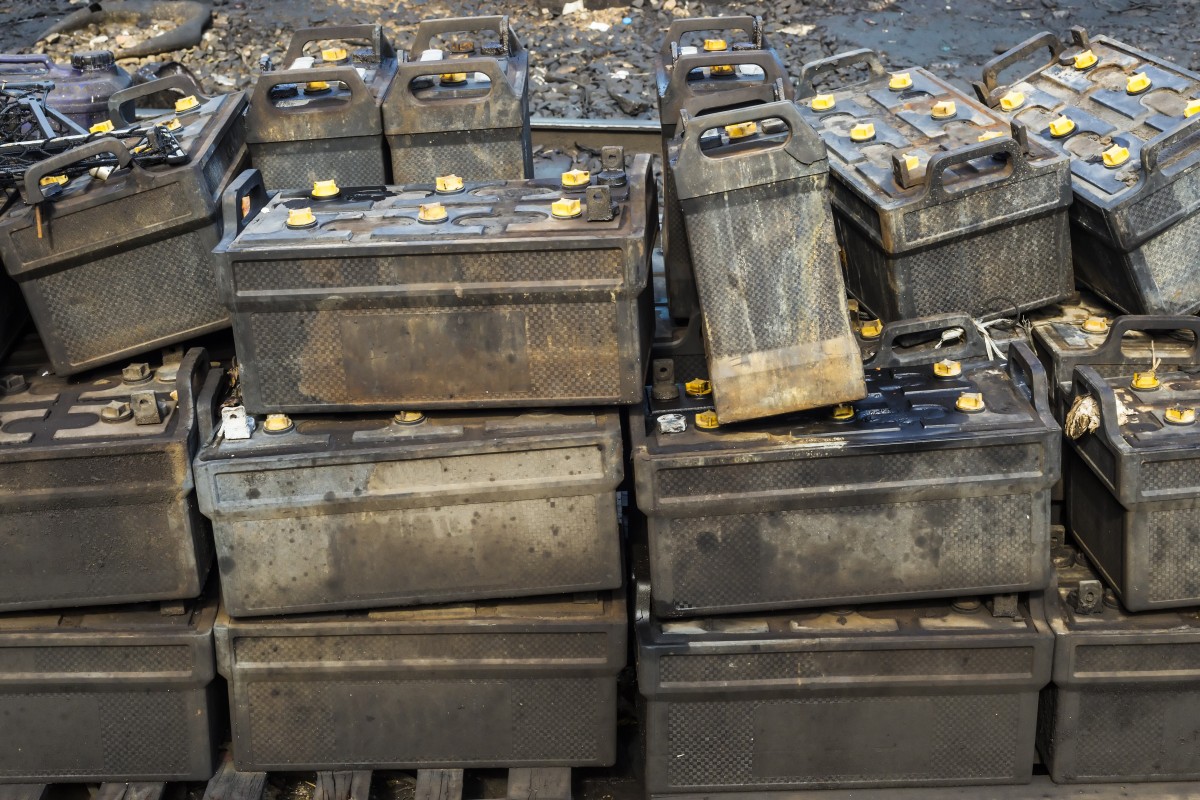
Hong Kong’s sole commercial-scale recycling plant for waste lead acid batteries (WLABs) is running at less than 10 per cent of its capacity nearly two years after it was commissioned, according to the co-founder and chairman of its owner.
Illegal exports to developing nations with lax environmental and labour protection enforcement for recycling have seriously cut into the amount of waste batteries it can collect for turning into lead bullion and plastic resin pellets, said Stanley Pong Kit of Hong Kong Battery Recycling Centre (HKBRC).
“By allowing the WLABs export trade to thrive, the government and companies are postponing the eventuality of following a correct environmental direction,” he said in an interview. “Companies unwittingly supplying WLABs to the unlicensed export trade are making meagre financial gains while ignoring the devastating environment and health impact on the recipient countries.”
HKBRC has been running the plant since 2019 at the EcoPark in Tuen Mun, developed by the Environmental Protection Department (EPD) and rented to the recycling industry at favourable costs.
![Sharon Kwok Pong Sau-wan (left) and Stanley Pong Kit (right) at the Hong Kong Battery Recycling Centre on January 15, 2020. Photo: Martin Williams [FEATURES 2020]](https://img.i-scmp.com/cdn-cgi/image/fit=contain,width=1024,format=auto/sites/default/files/d8/images/methode/2021/06/27/ae34e7ae-d55f-11eb-8921-c363d46ef7af_972x_162227.jpeg "Sharon Kwok Pong Sau-wan (left) and Stanley Pong Kit (right) at the Hong Kong Battery Recycling Centre on January 15, 2020. Photo: Martin Williams [FEATURES 2020]")
Built at a cost of some HK$100 million (US$12.9 million) with the capacity to process 41,600 tonnes of WLABs annually, capable of recovering 80 per cent o materials, the fully automated plant had been unprofitable even with low operating costs.