Hong Kong firms may need to review structures after government says it will amend law to help EU combat tax evasion by some offshore units in city
- It is vital for the government to unveil the details of the proposed law changes as soon as possible to provide clarity to firms, PwC executive says
- City moves to change law after it was added to EU’s ‘grey list’ of non-cooperative tax jurisdictions

Companies will have to review their structures after the Hong Kong government said it would amend its tax law and implement regulations to help the European Union (EU) combat tax evasion, experts said.
The government said late on Tuesday that it would make the changes to combat tax evasion by certain offshore units set up by European firms in the city, a situation that could add to uncertainties around business operations in the city.
“The introduction of the new tax law will add a lot of unknowns and uncertainties for companies in Hong Kong. Some companies may lose their tax-free status after the law change, while some may be required to do more reporting to the authorities for them to get tax exemptions. It is vital for the government to unveil the details of the proposed law changes as soon as possible,” said Rex Ho, financial services tax leader at PwC.
The government said that it would amend the tax law by the end of next year and implement regulations in 2023. Hong Kong was added to the EU’s “grey list” of non-cooperative tax jurisdictions on Tuesday, according to a note published by accountancy firm KPMG last month.
The EU sees the non-taxation of certain foreign sourced passive incomes, such as interest and royalties, of European businesses set up in Hong Kong that have no substantial economic activity in the city as potentially leading to situations of “double non-taxation”, a Hong Kong government spokesperson said on Tuesday night.
18:44
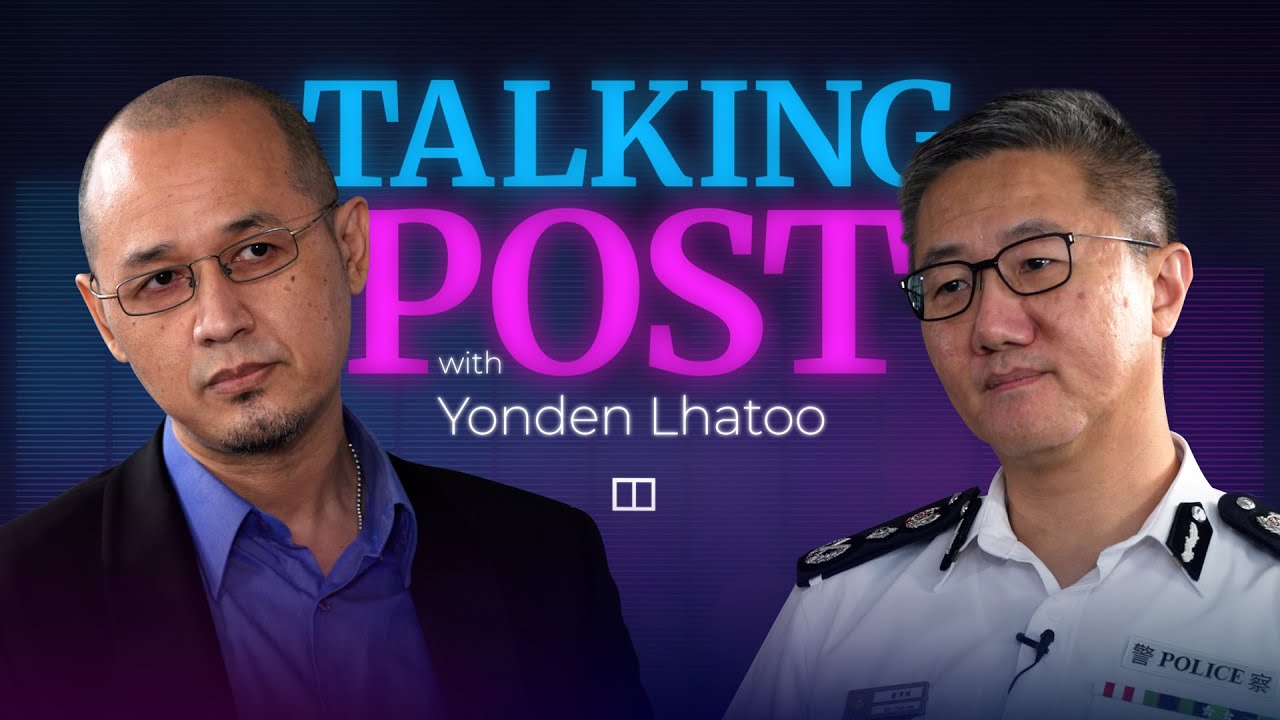
Hong Kong top cop Raymond Siu tells Yonden Lhatoo about challenges of policing after protests
“The proposed legislative amendments will merely target corporations, particularly those with no substantial economic activity in Hong Kong, that make use of passive income to evade tax across a border. Individual taxpayers will not be affected,” the spokesperson said.