All major economies set to miss their 2030 emissions reduction goals, with China, India on course to increase emissions: report
- Global stock of electric vehicles should rise from 43 million cars today to 1.02 billion cars by 2050 to limit global warming by 2.5 degrees, Wood Mackenzie said in a report
- The total investment needed to decarbonise the energy sector is estimated at US$1.9 trillion a year under the 2.5 degrees Celsius scenario, the report says

The world is heading for 2.5 degrees Celsius warming by 2100 and needs to increase total investments by 50 per cent to decarbonise the energy sector to be able to limit global warming to below 1.5 degrees Celsius under the Paris Agreement, a new report said.
While net-zero pledges announced by countries around the world now cover 88 per cent of annual global emissions, no major country is on track to meet their 2030 emissions reduction goals, according to consulting company Wood Mackenzie in its 2023 Energy Transition Outlook published on Thursday.
Only the European Union (EU) and the United Kingdom (UK) come close to meeting their emissions reduction targets by 2030, with the United States (US), Japan, and South Korea falling behind. On the other hand, China and India are on course to increase their emissions by the end of the decade, according to the consultancy.
“The pathway to net zero was always going to be challenging, but Russia’s invasion of Ukraine has made it more difficult especially in the near term,” said Simon Flowers, chairman and chief analyst at Wood Mackenzie. “Supply security fears increased around the world, and higher prices across energy and mining commodities have fuelled inflation.”
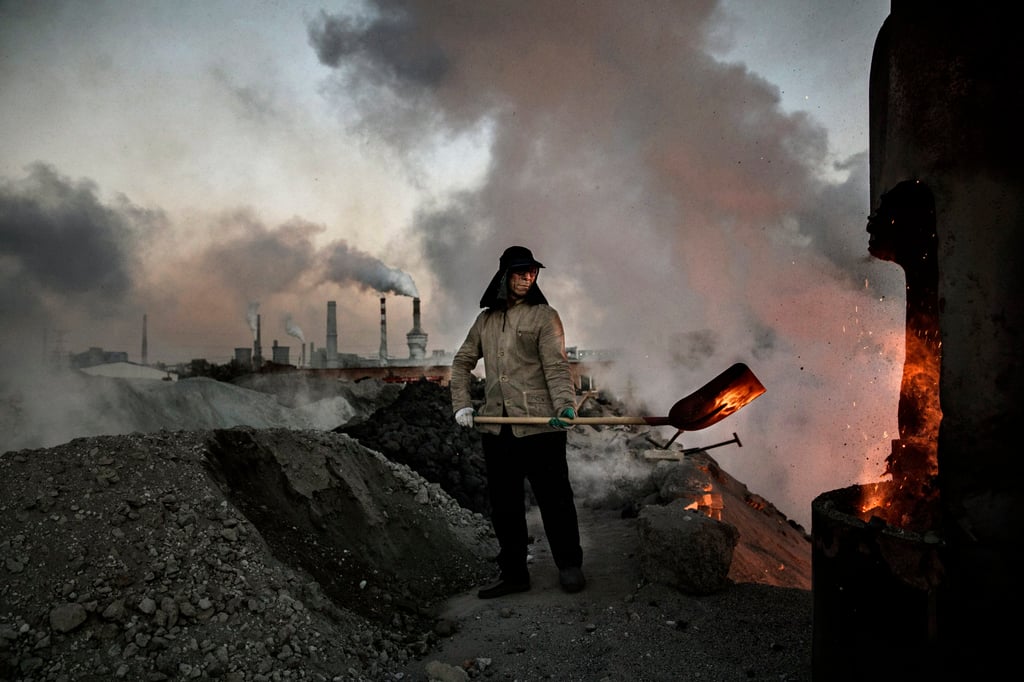
For China, the world’s largest carbon dioxide emitter accounting for nearly 30 per cent of global emissions, the main challenge for it to meet its carbon reduction goals is its current significant level of emissions and huge reliance on coal, said Prakash Sharma, vice-president of scenarios and technologies research at Wood Mackenzie, and lead author of the report.
“The main challenge for China is its starting point … so in order for China to quickly decarbonise and reduce emissions, especially by 2030, is going to be very tricky,” said Sharma.