ExclusiveFrench lender BNP Paribas says some of its European, Asian clients plan family offices in Hong Kong
- BNP Paribas says some of its clients have been drawn to Hong Kong after the city rolled out several incentives for family offices earlier this year
- Hong Kong’s vibrant art culture, zero tax on imported wines are important to wealthy families, Asia CEO Tellier says

Lee proposed a revamped investment migration programme for wealthy individuals and their families during his annual policy address on Wednesday, offering fast-track residency for at least HK$30 million (US$3.8 million) of investment in local stocks or other assets.
That will augment measures approved by lawmakers in May that included tax breaks for family offices. There are also plans to provide art collection facilities and easier rules for setting up charities. The city’s government has set a target of attracting 200 new family offices to the city by 2025.
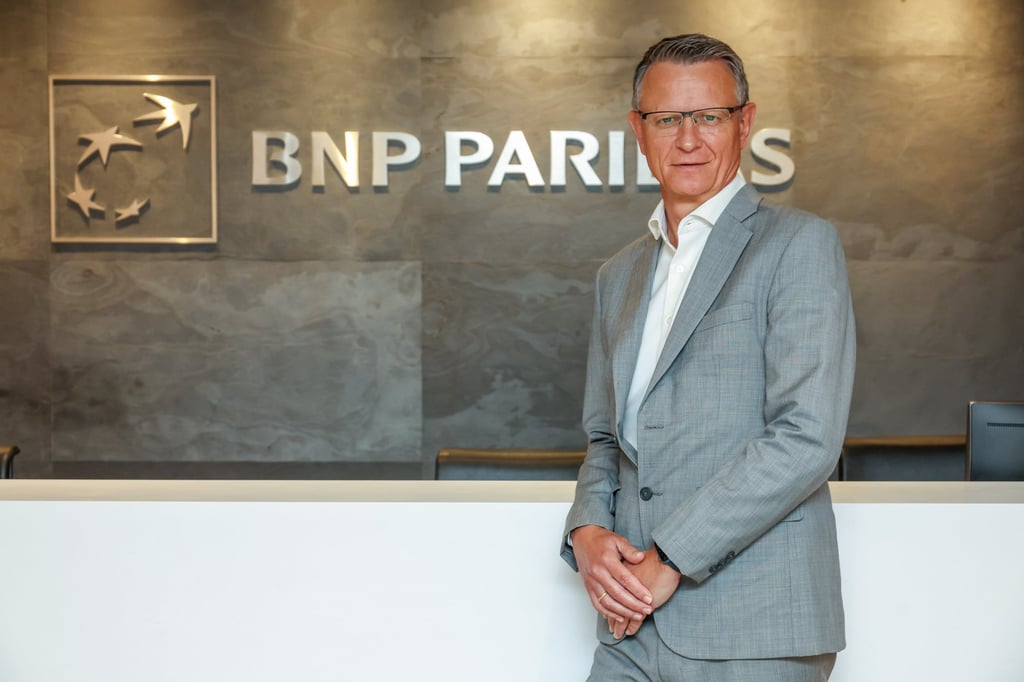
“This could potentially attract more capital to Hong Kong, and bring in talents to the wealth management industry, further strengthening Hong Kong’s status as a key hub in Asia,” said Arnaud Tellier, Asia CEO of BNP’s wealth management unit. Hong Kong has done well by “bringing together the ecosystems of philanthropy, art collection and sustainable investments,” he added.
Paris-based BNP Paribas is the biggest lender in the EU in terms of assets. Its wealth management business oversaw 408 billion euros (US$430.95 billion/HK$ 3.37 trillion) of client assets at the end of September, according to its latest quarterly report. About 20 per cent of the sum managed is in Asia.
Hong Kong does not impose any tax on imported wines, while rival financial hub Singapore charges S$88 (US$11.25) per litre of alcohol. A vibrant art culture, plus other and other business-friendly policies, are already proving popular to some of BNP Paribas’s clients.
“One of our large European clients, who has invested in the healthcare business in this region, is exploring setting up a family office in Hong Kong,” Tellier said in an interview. “Some of our Southeast Asia clients have also been exploring the opportunities here. They told us they found the policies to be attractive.”