Cop28: only 7 years left in global carbon budget to limit warming to 1.5 degrees, but emissions keep rising, report says
- The world is still blazing through the total carbon it can emit and hope to keep global warming below a critical threshold: new research
- The carbon budget shrunk by about a third in the past year, as China and India led emissions increases, international scientists say

The “carbon budget” necessary to keep alive hopes of that 50 per cent chance of limiting global warming to 1.5 degrees Celsius has declined to 275 billion tonnes (gigatonnes) in the past year – equal to about seven years of emissions at current levels.
Global carbon emissions from fossil fuels in 2023 are set to increase 1.1 per cent to a record high of 36.8 gigatonnes compared with last year, with China and India leading the increase, according to the report published on Tuesday by the Global Carbon Project science team, which includes researchers from the University of Exeter, the University of East Anglia (UEA), and more than 90 additional institutions around the world.
“The impacts of climate change are evident all around us, but action to reduce carbon emissions from fossil fuels remains painfully slow,” said Pierre Friedlingstein, a professor of Exeter’s Global Systems Institute, who led the study.
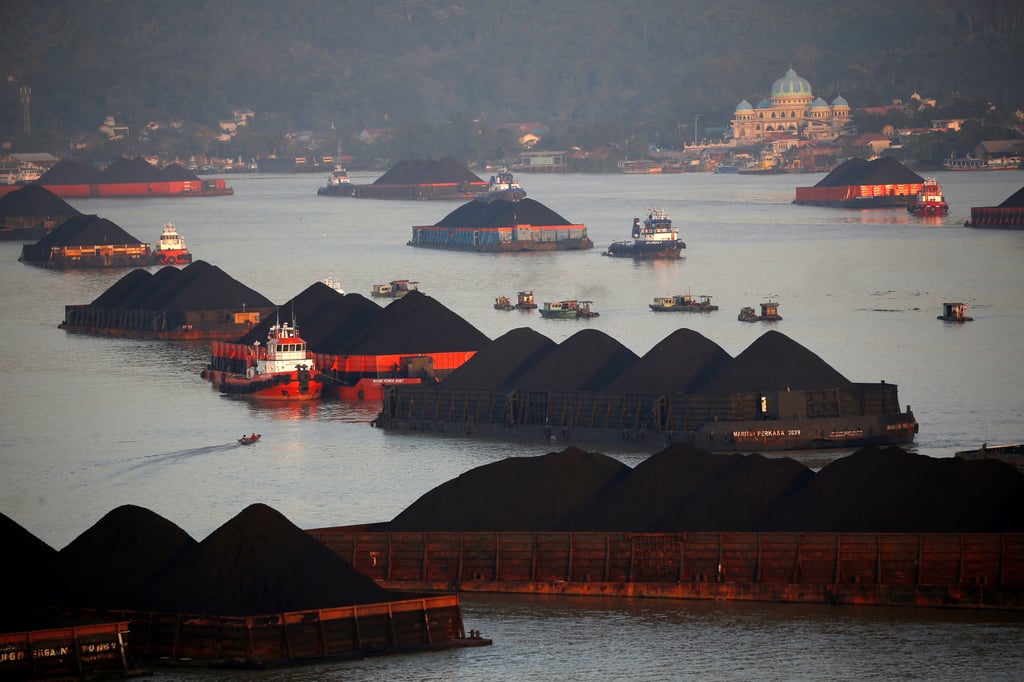
Total global carbon emissions, which includes land-use emissions in addition to fossil-fuel emissions, are set to increase slightly to 40.9 gigatonnes in 2023 despite a small year-on-year decrease in land-use emissions, according to the report.
India and China, which together account for nearly 40 per cent of global emissions, are projected to increase fossil fuel-based emissions in 2023 by 8.2 per cent and 4 per cent, respectively, the report showed. Meanwhile the European Union, the United States and the rest of the world are projected to reduce emissions by 7.4 per cent, 3 per cent, and 0.4 per cent, respectively.