
The ViewWhy the exchange-traded fund industry is a ticking time bomb
History tells us that the kind of market dominance ETFs are enjoying never comes without a fall

Sometimes you have to pinch yourself to remember that just 27 years ago there was no such thing as an exchange-traded fund, or ETF.
By the end of last year these funds collectively had a staggering US$3.55 trillion of assets under management compared with around US$3 trillion in hedge funds, which have been around since 1949 and were long believed to have been the be all and end all in fund management.
Hedge fund assets are shrinking by the day. Last year investors withdrew some US$70 billion, while they poured another US$490 billion into ETFs. Jack Bogle, who founded the Vanguard fund and became one of the leading proponents for low cost, minimally managed funds, has said that these figures “confirm that hedge fund assets will never again exceed those of ETFs”.
Once any form of asset investment management becomes too powerful, the prospect of abuse cannot be ignored
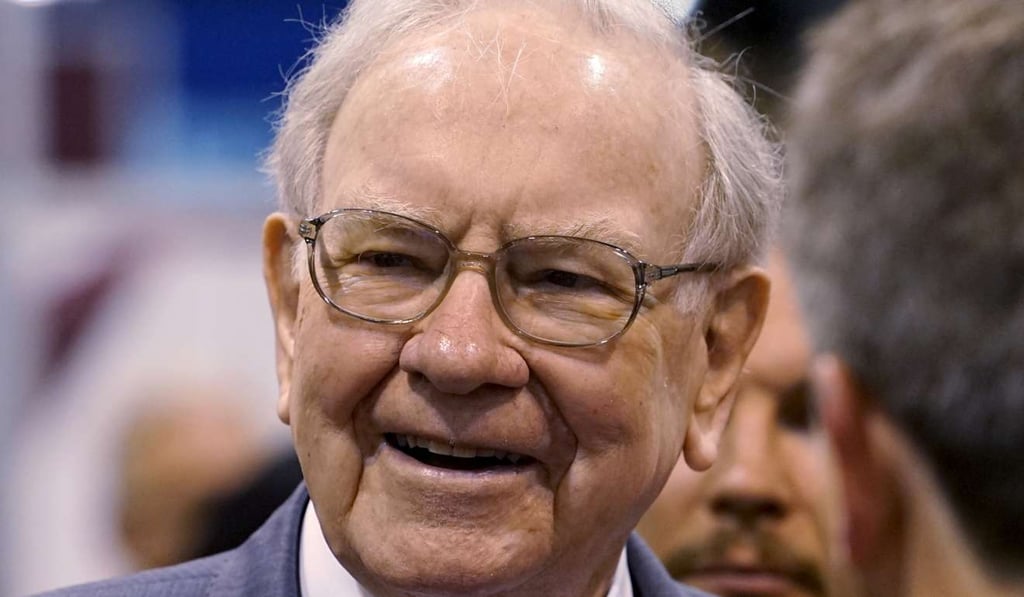
Warren Buffett, arguably the most famous asset manager of our time, placed a bet in 2007 that a Vanguard S&P 500 index fund would beat five hedge funds selected by the investment company Protégé Partners over the next 10 years. He won his US$1 million wager this year, which tells you all you need to know when an active fund manager like him is confident enough to predict that passive investment has a better chance of securing higher returns than the collective genius of those who stock-pick for a living.
So, we are far from done with talking about ETFs because everyday brings new understanding of how, while they are sound investments, they also have the prospect of being increasingly disruptive for the markets.
Basically the problem is that the sheer volume of their operations and the mechanical way in which they have to adjust to maintain their closeness to various indices means that an aberrant movement in the share price of one or more leading components in any given index can produce an enormous impact elsewhere. To preserve index compatibility, crusty low volume stocks can suddenly spring into high demand for no reason connected to the company’s worth but for every reason connected with index mirroring.
Then there is the increasingly forceful impact that ETFs have on how stock exchange business is conducted. Last year 37 per cent of trading on the New York Stock Exchange occurred in the last 30 minutes of business. Why? Because this is when ETFs have to adjust their holdings to remain in line with the index.