China relaxed some of its capital controls this week, scrapping the restriction on banks processing outbound yuan payments, but analysts cautioned that the move was not a signal to sell yuan assets.
The People’s Bank of China had required commercial lenders to stop processing cross-border yuan payments unless they could show at the end of each month that the amount of outbound yuan matched the sum that came in.
Advertisement
Some market watchers even believe the decision, which marks the first loosening step since heightened capital controls were imposed at the end of last year, points to further strengthening of some of Asia’s currencies.
The easing comes as market sentiment is improving on both the domestic and overseas fronts. Official data showed this week that China’s first-quarter gross domestic product growth clocked in at 6.9 per cent, the strongest since 2015 and just above the 6.8 per cent in the fourth quarter last year. Other key data for March, including fixed-asset investments, retail sales and industrial output, also came in higher than expected.
Protectionist fears have receded since Chinese President Xi Jinping and his US counterpart Donald Trump said earlier this month that they would come up with a plan within 100 days to address Sino-US trade imbalances. The focus is turning to how China will open up trade to the US rather than on restricting Chinese exports to the US.
Advertisement
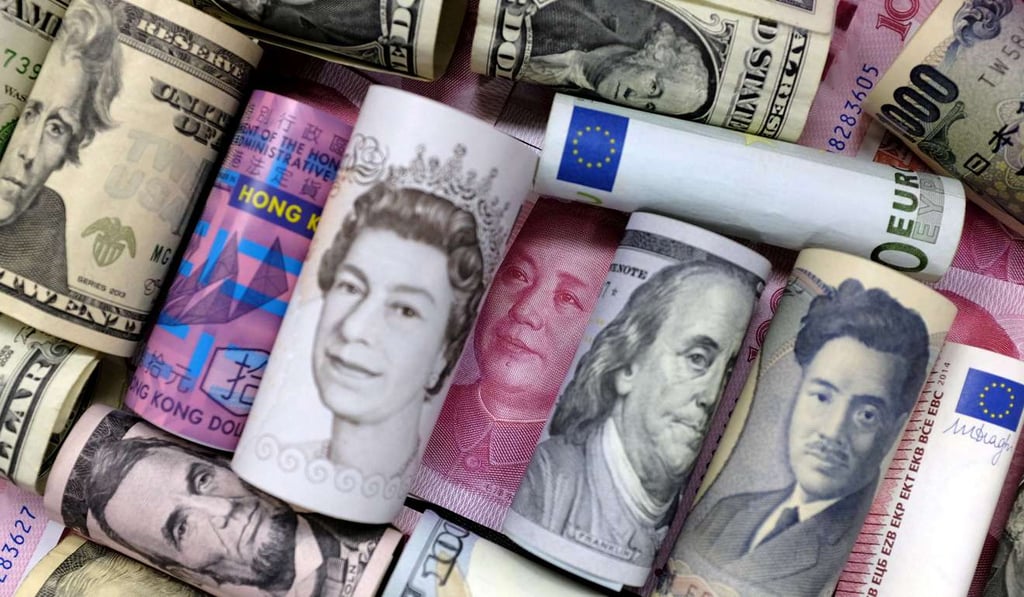
The Chinese authorities are expected to continue a steady approach in managing the yuan against a basket of currencies while containing swings against the dollar, analysts say. Photo: Reuters
Trump’s comments that the US dollar was strengthening too much may also signal a rethink of his strong-dollar policy and have already seen the dollar trading weaker against the yuan and other Asian currencies. The yuan has edged up 0.9 per cent to 6.8836 per dollar so far this year after dropping 7 per cent in 2016.