-
Advertisement
Banking & finance
BusinessBanking & Finance

China’s banks swap 1 trillion yuan of debt into stocks, extending financial life line to state debtors

More than 70 of the country’s most indebted companies in steel, coal, chemical and equipment manufacturing reached debt-to-equity swaps.

Reading Time:2 minutes
Why you can trust SCMP
Employees work in a Hangzhou Iron and Steel Group Company workshop in Hangzhou. Photo: REUTERS/Steven Shi
Xie Yu

China’s banks converted more than 1 trillion yuan (US$149.2 billion) of debt into stock holdings in more than 70 state-owned enterprises, in the government’s largest debt-to-equity swap effort to bail out the country’s most indebted borrowers, according to the official China New Agency, citing a notice by the state planning department.

The scheme, signed between Chinese banks and companies in the steel, coal, chemicals and equipment manufacturing industries, has helped to lower the aggregate debt ratio in these industries, the agency reported, citing the National Development & Reform Commission (NDRC).
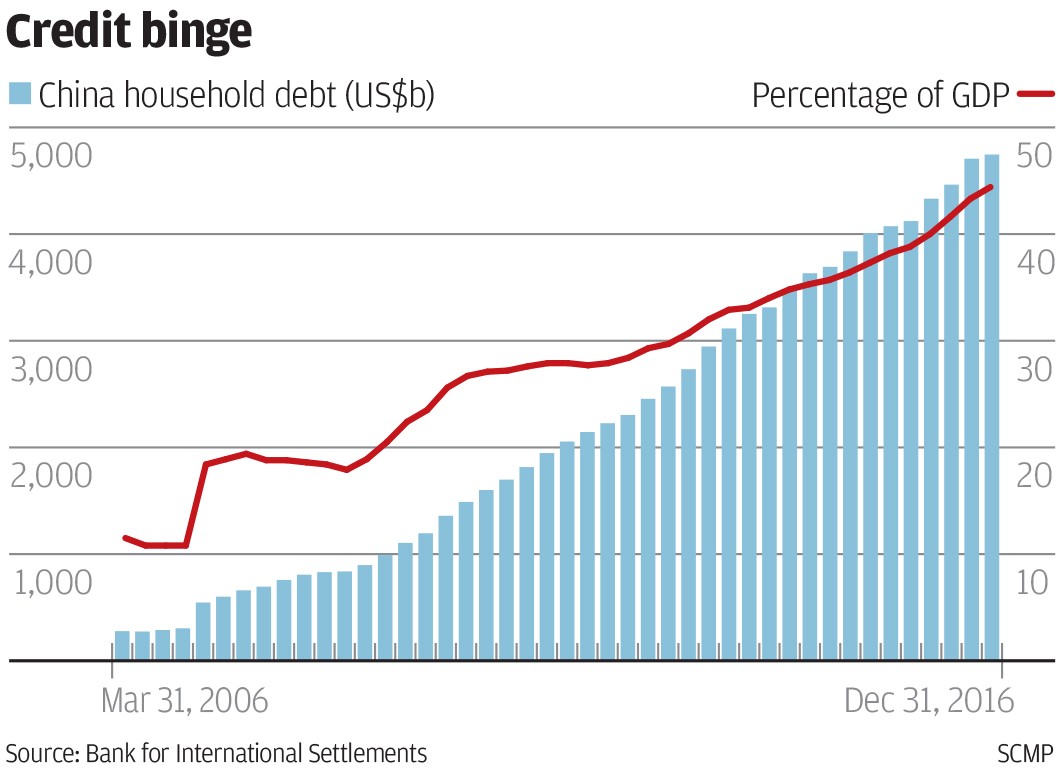
SCMP Graphics
SCMP Graphics
China’s 2016 corporate debt soared to about 170 per cent of gross domestic product (GDP), from 100 per cent in 2008, according to the Bank of International Settlements. At double the average of other economies, the aggregate debt of China’s state-owned enterprises (SOEs) and private companies stood at US$15.7 trillion last year.
Advertisement

The government is anxious to reduce the debt owned by the moribund state sector to shield the country’s financial system from the risks of defaults, while the economy’s growth pace slows.

Advertisement

The idea of swapping banks’ debts into equity holdings was raised by China’s Premier Li Keqiang during the National People’s Congress in March last year. It wasn’t a new idea. The scheme was used during the 1990s to clean up the books of China’s state banks.
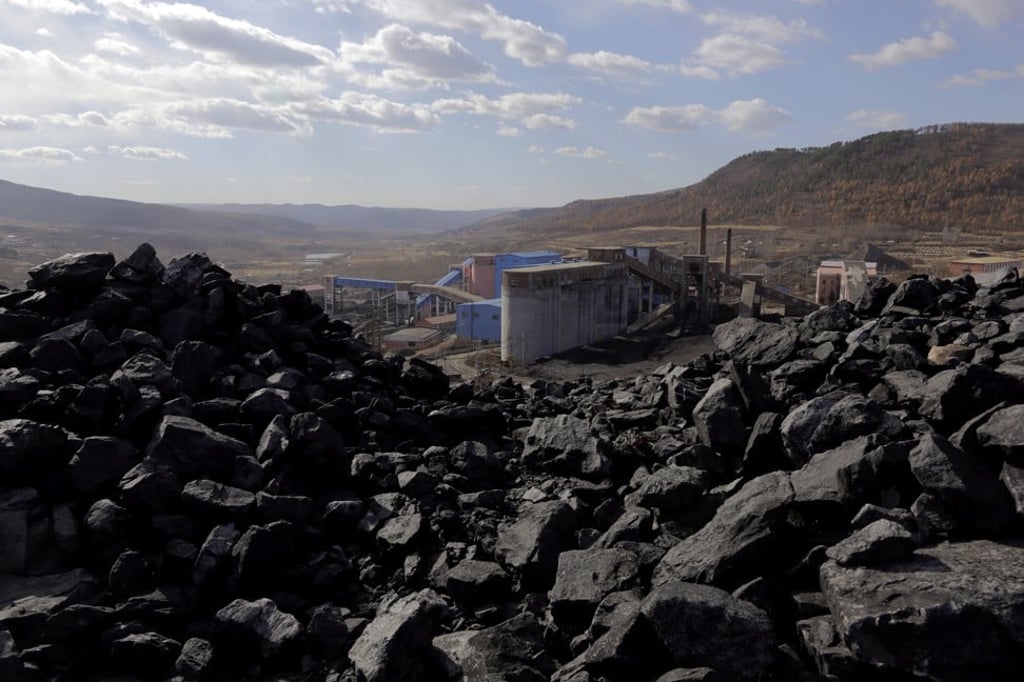
A general view shows Pinggang coal mine from the state-owned Longmay Group on the outskirts of Jixi, in Heilongjiang province. Photo: Reuters
What’s different this time is the debt-to-equity swap would proceed under market principles, giving banks and financial institutions a bigger say in choosing the indebted companies whose borrowings were to be swapped, and in fixing the financial terms of the swaps. This was done to avoid channelling funds into so-called zombie companies that were inefficient and destined for bankruptcy.
Advertisement
Select Voice
Select Speed
1.00x