Three tonnes of mouldy cash show why China is taking action against Huarong’s debt burden
Huarong transformed from China’s biggest processor of distressed assets into one of the country’s largest debtors in the span of two decades

On a spring morning on a Tuesday in mid-April, Lai Xiaomin was invited to attend a meeting by China’s newly merged banking and insurance regulator on Finance Street in the nation’s capital.
As soon as Lai, who worked at the very same office 15 years earlier, showed up at 9am, he was whisked away by investigators from the ruling Communist Party’s anti-corruption commission.
Lai, who just turned 56 last month, would be accused of corruption and of breaching the party’s discipline. The ill-gotten wealth allegedly amassed by the former chairman of China Huarong Asset Management Corporation was staggering: Chinese police found 270 million yuan (US$39 million) in cash, weighing three tonnes, gathering mould at several properties linked to him.
Lai, who worked for more than a decade at the Chinese central bank and served for two years at the bank regulator, was not alone in taking the fall. At least three other senior Huarong executives have been arrested since Lai’s detention, each of them implicated in accepting cash gifts and property in Hong Kong or Canada worth billions of yuan, according to several people familiar with the investigations.
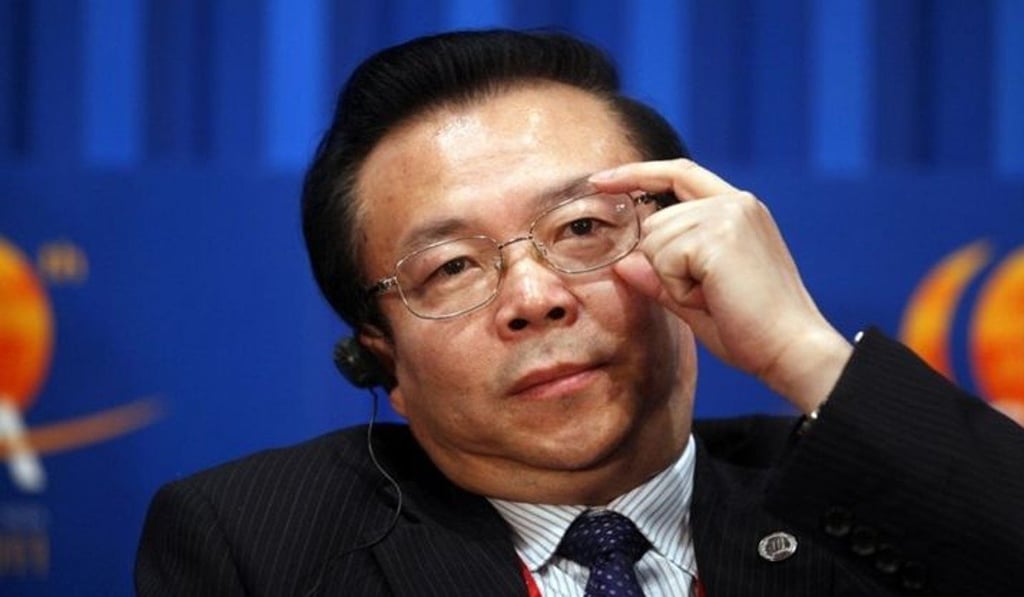
The mass arrest is part of the clean-up process at Huarong as it outlived its mandate and transformed from China’s biggest processor of distressed assets into one of the country’s largest debtors in the span of two decades.