Singapore’s move to waive sales tax on digital payment tokens will spur innovation, boost cryptocurrency exchanges, says PwC
- Government’s proposal to exempt digital tokens from sales tax will benefit cryptocurrency exchanges, asset managers and entrepreneurs, says PwC
- The move will narrow the gap between Singapore and Hong Kong in being a tax-friendly jurisdiction for the digital economy
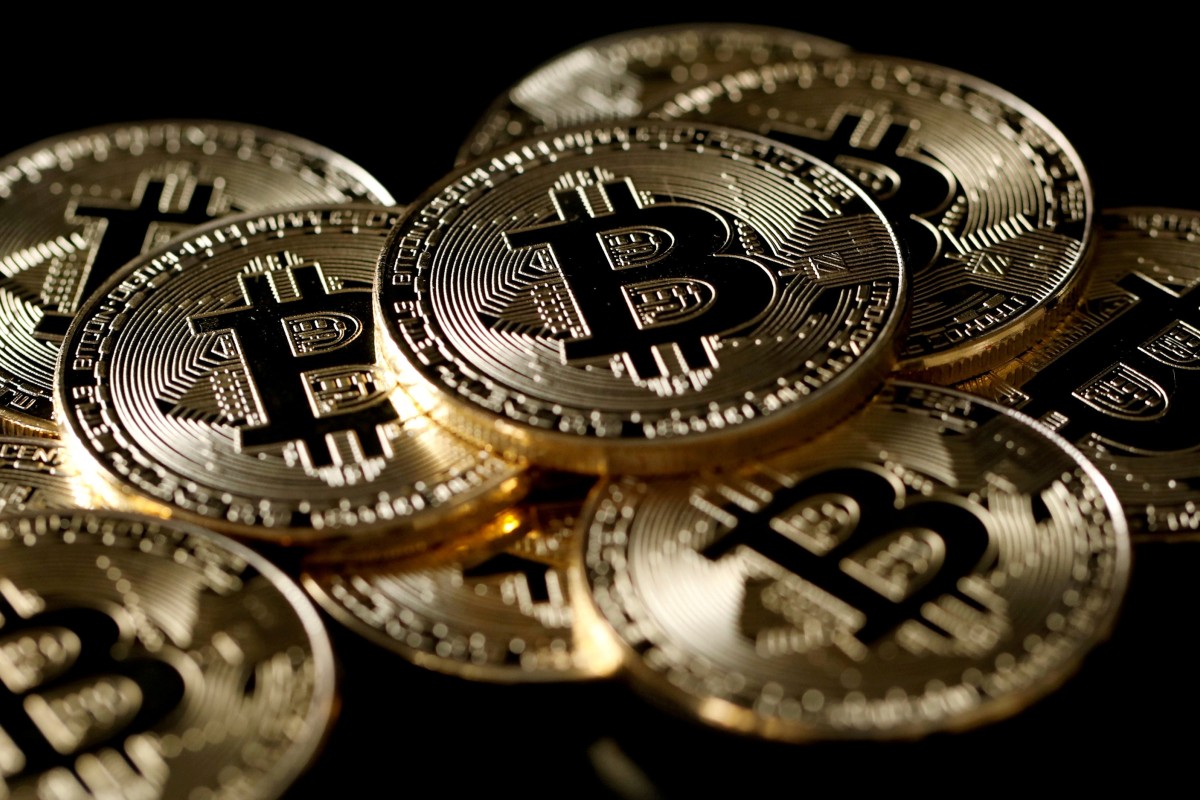
The Singapore government’s proposal to exempt digital payment tokens from a sales tax when they are used to pay for goods and services is likely to benefit cryptocurrency exchanges, asset managers and blockchain entrepreneurs, according to accounting giant PwC.
The waiver of the 7 per cent goods and services tax (GST) would also bring the city state closer to Hong Kong in terms of being a tax-friendly jurisdiction for cryptocurrencies, said Gwenda Ho, a partner in PwC Hong Kong’s corporate tax practice.
She said the proposal by the Inland Revenue Authority of Singapore (IRAS) could potentially spur more innovation from entrepreneurs in the field of blockchain-based services and solutions.

The IRAS recently issued a draft e-Tax guide explaining the proposed exemption from the 7 per cent tax for digital payment tokens. It coincided with a Ministry of Finance consultation on its draft GST (Amendment) Bill 2019 this month. The Ministry’s consultation period closed last week.
“The IRAS recognises that taxing cryptocurrencies which function, or are intended to function, as a medium of exchange (digital payment tokens) results in two tax points – once on the purchase of the cryptocurrency and again on its use as payment for goods and services subject to GST,” the authority said in the draft guide.