Carbon finance: credibility crisis shows need to enhance trust and transparency in global markets, association says
- A controversy over the accuracy of claims and benefits in green projects has galvanised efforts to enhance trust and transparency for investors
- Trading platforms in Hong Kong and mainland China should endorse principles, assessment to boost integrity in global markets, association says

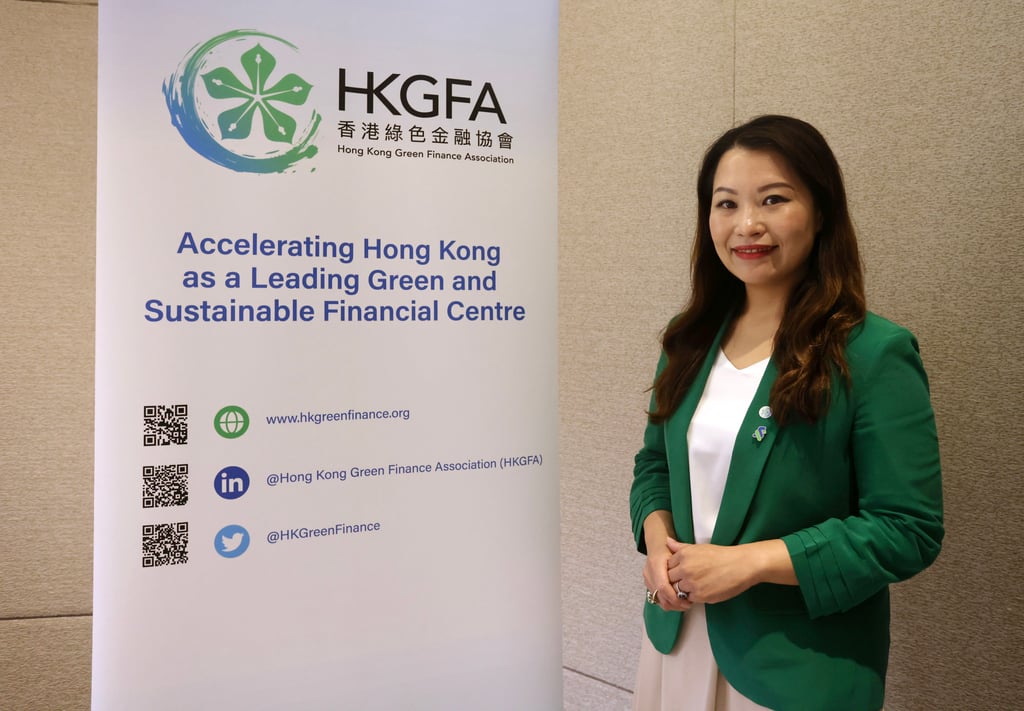
“There is a lack of transparency, trust and understanding in the markets,” Tracy Wong Harris, executive vice-president of the Hong Kong Green Finance Association, said in an interview. “This explains the low trading volume and wide price range of credits, which reflect the perceived quality of the underlying projects, from the buyers’ perspective.”
The initiative came after European media cast doubt on the accuracy of emissions and benefits in some Verra-linked projects to offset their carbon footprints. Verra, the world’s largest issuer of voluntary carbon credits, subsequently revised its methodology.
The independent governance body last month invited credit issuers to apply and submit evidence to have their project categories and crediting methodologies assessed. If they meet its criteria for high integrity, the carbon credits will gain its “CCP-approved” stamp as an added advantage.
“Only with quality credits can the carbon markets give buyers the confidence and trust to trade actively and enhance liquidity,” said Harris, who is also the head of Asia sustainable finance at Standard Chartered, ahead of the association’s annual green finance forum on Wednesday.