China’s expanded Reit programme to ease funding for commercial property landlords, widen choices for investors
- China will expand its Reit programme to include ‘consumption-related infrastructure projects’ or malls and department stores, widening options for investors
- The Reit programme was last broadened in July 2021, adding eligible assets related to renewable energy, affordable housing and tourism projects

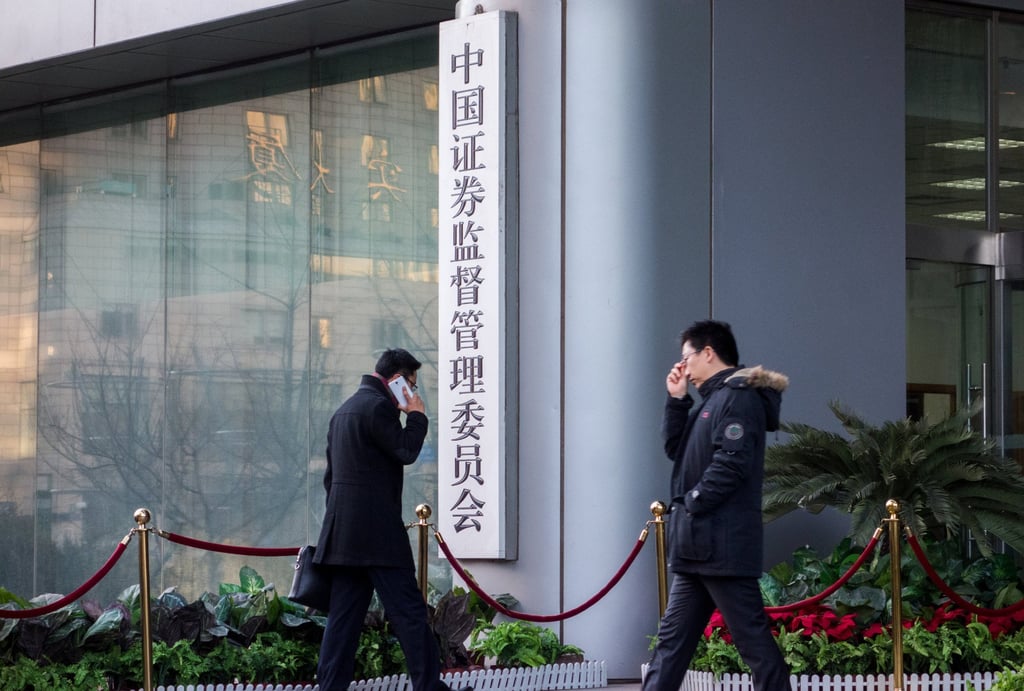
The China Securities Regulatory Commission (CSRC) updated a directive earlier this month by including “consumption-related infrastructure projects” such as shopping malls and department stores, as part of its Reit programme. China’s 87 billion yuan (US$11.9 billion) Reit market is the fourth-largest in Asia after Japan, Singapore and Hong Kong, according to Cushman & Wakefield, a real estate consultancy.
The move is to “provide investors with a wider variety of options, promote the healthy development of the public market for Reits, as well as improve the ability of capital markets to service the real economy,” the regulator said.
“The property sector is undergoing policy adjustments and the CSRC is loosening restrictions around the funding issue,” said Shen Meng, director at Beijing-based investment firm Chanson & Company. It reflects China’s effort to improve liquidity in the real estate market, rather than specifically help troubled developers ease their debt problems, he added.
China first introduced the Reit programme in April 2020, limiting the eligible assets to only large-scale infrastructure developments like toll roads, industrial estates, sewage treatment plants, and logistic warehouses. It was broadened in July 2021 to include assets or projects related to renewable energy, affordable housing, and tourism.
Reits are investment vehicles that derive a regular and stable stream of income from their underlying assets. They also pay regular dividends, typically in the form of new units, to investors.