Hong Kong’s IPO market struggles after slowest start since 2009 as jumbo deals vanish amid tighter regulations, poor valuations
- Proceeds from first-time stock offerings fell 29 per cent in the first quarter to US$604.4 million, the slowest start to a year since 2009: LSEG
- Bourses in Shanghai and Shenzhen also suffered amid tighter rules, quality checks by new regulatory chief

Twelve companies raised HK$4.73 billion (US$604.4 million) from first-time stock sales in Hong Kong in the first quarter, representing a 29 per cent decline from a year earlier, according to data compiled by London Stock Exchange Group. That is the least since the US$580 million generated in the second quarter of 2022, and the worst first-quarter performance in 15 years.
The Shanghai main board generated US$986.3 million of proceeds, while Shenzhen’s ChiNext Board raised US$707.5 million. Their volumes declined 72 per cent and 85 per cent respectively from US$3.5 billion and US$4.6 billion.
Hong Kong’s ranking fell two places to the 10th position, while the Shanghai main board lost its top position, dropping to seventh place, and the ChiNext Board retreated to ninth from second.
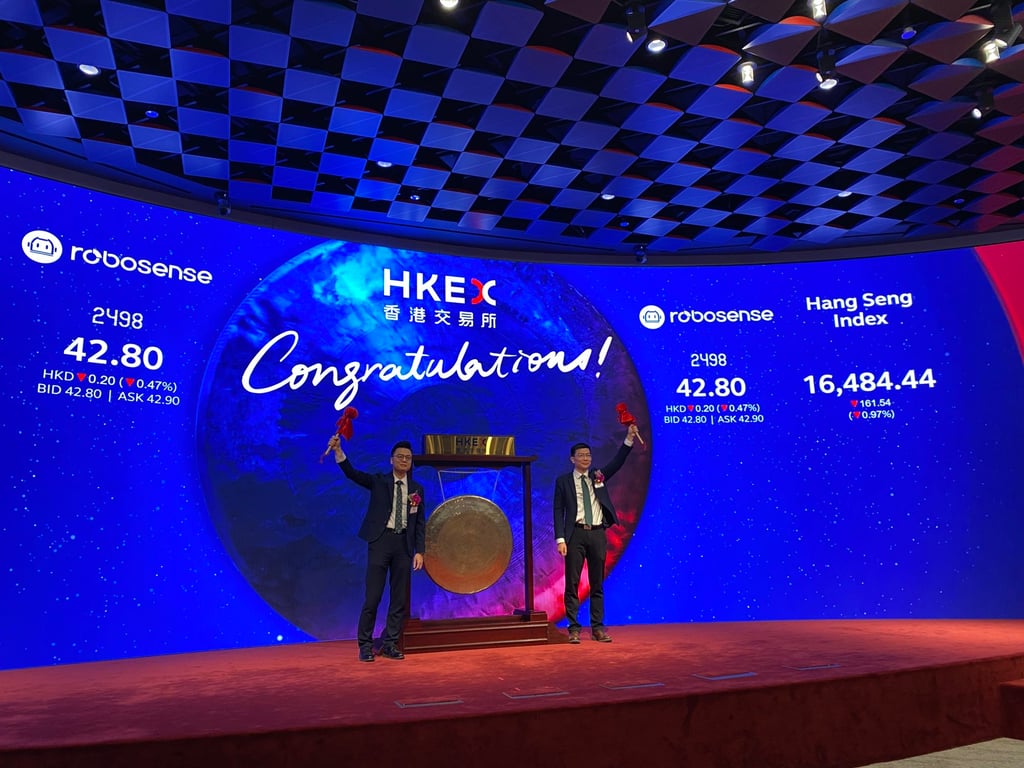
Alibaba, the owner of this newspaper, cited poor market conditions and valuations among the IPO hurdles. As blockbuster deals vanished, the US$135.7 million IPO by RoboSense Technology in January ranked as the biggest in Hong Kong this year.
“While it is probably a corporate decision, Hong Kong’s equity market has missed an opportunity to reignite sentiment with a large IPO,” said Gary Ng, senior economist in Hong Kong at Natixis, a French bank. “This can delay the return of investors as there is no clear example of how data-intensive firms can list under China’s new regulatory regime.”