Chinese cornerstone investors are new pillars of Hong Kong IPOs and it’s not all good news
- Chinese local government entities were cornerstone investors in a third of Hong Kong IPOs between January 2023 and March 2024 as private funds stayed away
- Too much state-linked involvement is frowned upon by investors as it could distort supply and demand and weaken market discipline

Provincial governments, municipalities, councils, and investment vehicles owned by local authorities appeared as “cornerstone investors” with lock-up conditions in a third of the 78 IPOs between January 2023 and March this year, according to data compiled by the Post. Their roles have since magnified as foreign institutional buyers walked away from Asia’s third-largest equity market as returns cratered.
At least 43 government-related entities assumed that role in those IPOs, taking up between 3 per cent and 79 per cent of the shares on offer, the data showed. They contributed about HK$5.5 billion (US$709 million), or 34 per cent, to the total IPO proceeds of US$2.07 billion.
Robosense Technology, a maker of lidar systems for autonomous vehicles backed by Alibaba Group Holding, raised HK$985 million from its first-time stock offering in January this year. Nanshan SEI Investment, wholly owned by Shenzhen Nanshan District State-Owned Assets Supervision & Administration Bureau, took up US$100 million or 79.3 per cent of the shares on offer.
In Laekna’s HK$791 million IPO last June, two state-linked firms, Yuyao Yangming Equity Investment Fund and Future Industry Investment Fund II, absorbed three quarters of the shares offered by the Chinese biotech company.
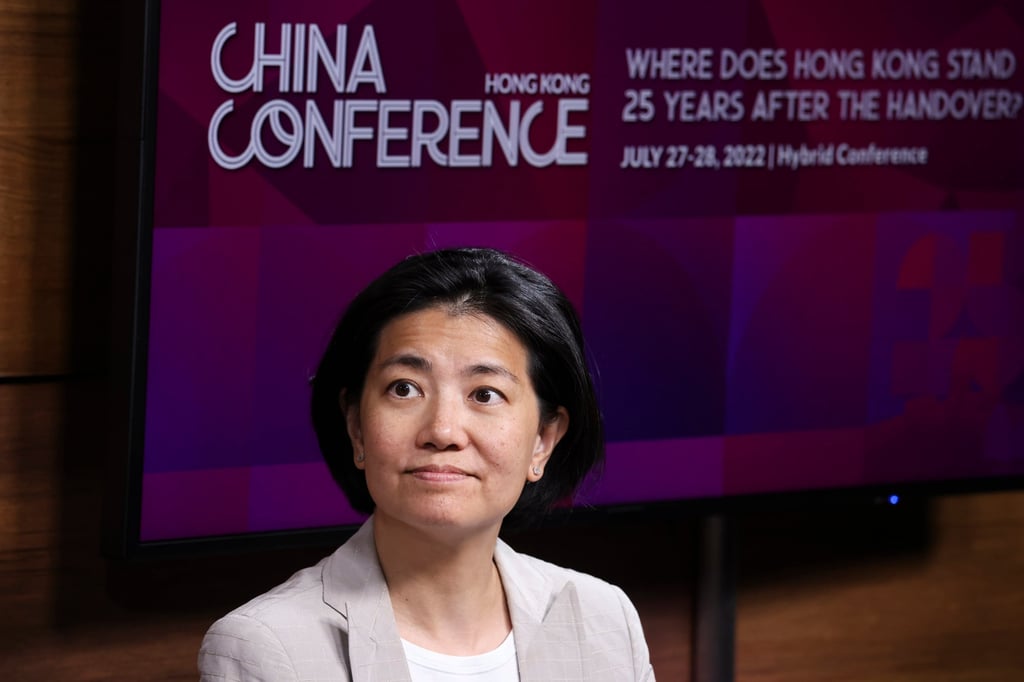
“IPO activities have been slow worldwide, so if there is any investor support, whether anchor or cornerstone, market participants will go ahead [and capitalise on them],” said Nisa Leung, managing partner of Qiming Venture Partners, an early investor in Chinese tech leaders including Xiaomi, Meituan and Bilibili. “Their participation could decline when the market picks up and sentiment improves.”