Alibaba’s Tmall to upend China’s real estate industry by using the internet for the entire sales process from viewing to paying
- Developers are listing their home projects on Tmall Haofang, a new sales channel by world’s largest e-commerce platform
- Selected projects sold on the ‘good homes’ channel will offer up to 15 per cent discount to catalogue prices

Country Garden Holdings and other major Chinese developers are putting some of their new homes on Tmall Haofang, a new sales channel by the world’s largest e-commerce platform, operated by this newspaper’s owner Alibaba Group Holding. Selected real estate projects sold on the channel, which means “good homes,” will be entitled to discounts of up to 15 per cent off their catalogue prices.
“Developers are all under pressure to sell homes this year and we are hoping that Tmall Haofang can help us,” said Zhu Rongbin, an executive at Sunshine City Group in Shanghai. “E-commerce platforms will change the landscape of China’s property industry.”
Tmall Haofang is the latest example of how e-commerce has upended consumption and retail sales in the world’s second-largest economy. One in every two mobile phones sold in China is an internet-enabled smartphone, which allows consumers to shop anywhere, and pay for their purchases any time.
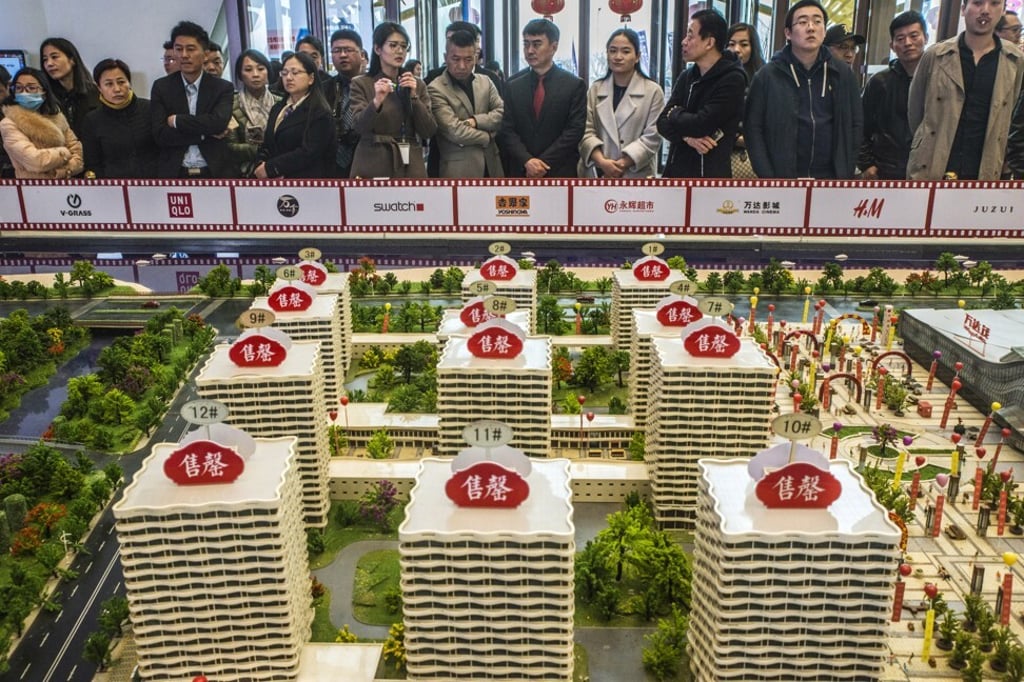
The ubiquity of e-commerce has expanded the available universe of purchases for the average Chinese consumer, from fresh produce and seafood to holiday packages and even large items like luxury cars and real estate. Online shopping has been given a further shot in the arm by the coronavirus pandemic, as bricks-and-mortar shops, showrooms and sales centres close to contain the spread of the disease.