Korean EV battery makers LG, SK agree on US$1.8 billion settlement to end dispute in victory for Biden’s climate, job agenda
- The settlement will avert a 10-year import ban of SK Innovation’s batteries into the US and ends the two-year dispute between the two companies
- The import ban threatened to undermine the roll-out of Ford Motor’s new F-150 pickup truck and Volkswagen’s ID. 4 SUV, both using SK batteries

SK Innovation agreed to pay 2 trillion won (US$1.8 billion) to LG Energy Solution, a unit of LG Chem, according to a statement from the two companies. The payment is divided equally in cash and royalties, they said.
The two companies “will work to help the development of EV battery industry in South Korea and the US through healthy competition and friendly cooperation,” according to the joint statement. “In particular, we will work together to strengthen the battery network and environmentally-friendly policy that the Biden administration is pursuing.”
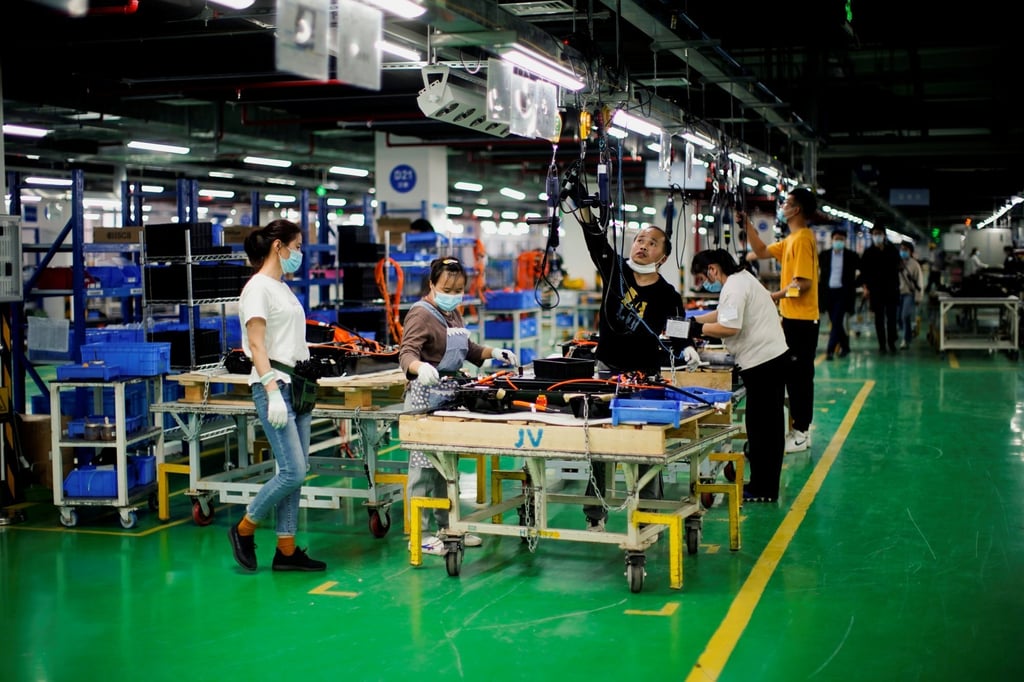
The settlement will avert a 10-year import ban of SK Innovation’s batteries into the US and ends the two-year dispute between the two companies. The import ban threatened to complicate the roll-out of Ford Motor’s new F-150 electric pickup truck and the Volkswagen’s ID. 4 SUV, both due to begin production next year with EV batteries assembled at an SK Innovation plant in politically important Georgia.
The dispute became a political conundrum for Biden because it was said to jeopardise as many as 6,000 battery manufacturing jobs in Georgia, prompting the state’s two Democratic senators and Republican Governor to urge an intervention from the president. One of those senators faces re-election next year.
SK Innovation and LG Chem also agreed to withdraw all lawsuits lodged in South Korea and overseas, according to the statement. They also agreed not to undertake any legal action against each other for the next 10 years.
The settlement removes a major headache for both South Korean and US government officials, who have spent weeks pressing the two sides to reach an agreement. Biden was facing an April 11 deadline to decide whether to overturn the import ban or do nothing and let it take effect. His decision pivoted on two critical policy issues – his desire to promote EVs as a way to help curb climate change, and the nation’s long-standing backing of strong intellectual property rights.