Why Chinese property management companies are losing favour with money managers
- Shares of most Chinese property management firms, once a darling of investors, have been beaten down in recent months as the woes of their parent companies spill over
- Property managers are being used as a financial tool by distressed developers to bail them out of sticky situations, JPMorgan says

Investors in Chinese property management companies, worried that their embattled real estate parent companies are using them as a bailout fund, are abandoning the once red-hot sector in droves.
A-Living Services, the nation’s second-largest operator and a unit of Guangzhou-based Agile Group, has plunged 35 per cent in the past month in Hong Kong. Country Garden Services, the next biggest peer, has slumped 18 per cent in the same period.
Shimao Services has suffered the worst sell-off. The stock has lost 57 per cent of its market value during the same stretch, including a 32 per cent slump on Tuesday, after buying a Shanghai-based services company from its parent Shimao Group for 1.65 billion yuan (US$259 million).
“This connected party transaction not only implies tight liquidity conditions for Shimao, but is also a corporate governance red flag as it is essentially transferring the cash from property manager to developer level,” JPMorgan said in a note to clients. Property managers were being used to partially bail out troubled developers, it added.
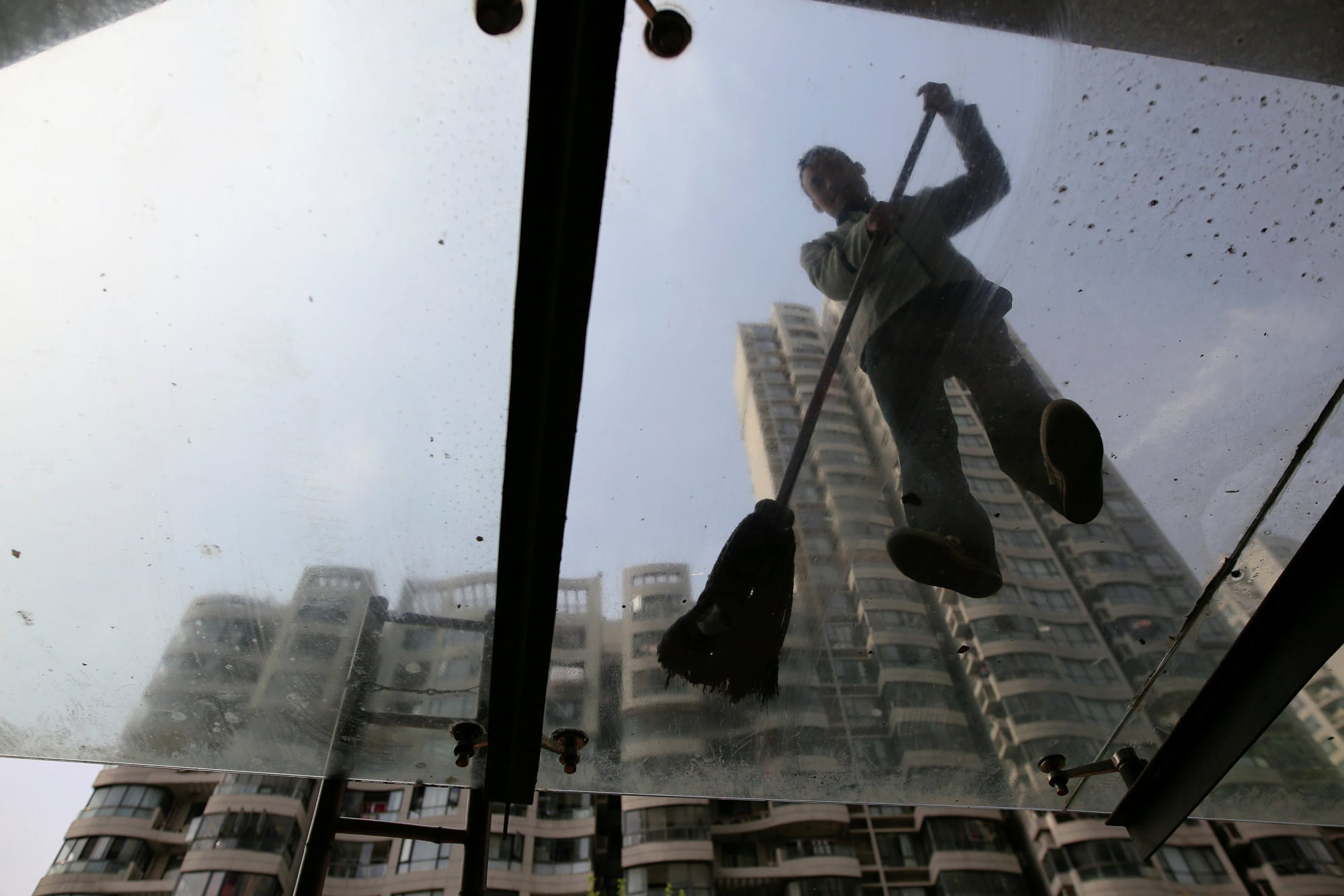
Chinese property management companies have been sought after by investors since early 2020 as the equity market recognised the industry’s recurring income and potential for growth. With supportive policies from Beijing, there was a surge of capital into the industry.