China’s stock markets frustrate European funds as performance sags, while funds in Hong Kong worry over policy missteps
- Valuation of onshore stocks and volatile moves in those listed in Hong Kong are among issues raised by money managers in Europe: Bank of America
- Two-thirds of respondents in Hong Kong were inclined to buy on dips, while 22 per cent preferred to sell into rallies, a separate survey showed

European investors are frustrated with China’s stock markets as returns have failed to match bullish expectations fanned by the post-Covid-19 economic revival, according to Bank of America. Expensive onshore stocks and volatile moves in Hong Kong are among recent drawbacks, it said.
Long-only investors in Europe are now questioning if business and consumer confidence can really recover to the pre-pandemic levels, analysts led by Winnie Wu said in a report, citing feedback from clients during its marketing trips. The ailing Chinese property industry and the US-China tech decoupling weighed on sentiment, they added.
China’s reopening trade has struggled to sustain upside momentum as investors including hedge funds have stayed nimble in the market. The MSCI China Index, which tracks 716 stocks listed at home and abroad, has declined 15 per cent since hitting a seven-month high on January 27, erasing US$780 billion of market value.

“Investors discount good data for low base [effect] or being unsustainable,” Wu, the bank’s chief China equity strategist, said in the report dated April 24. “People question the accuracy of the macro data, as bottom-up corporate earnings and guidance remain soft.”
14:45
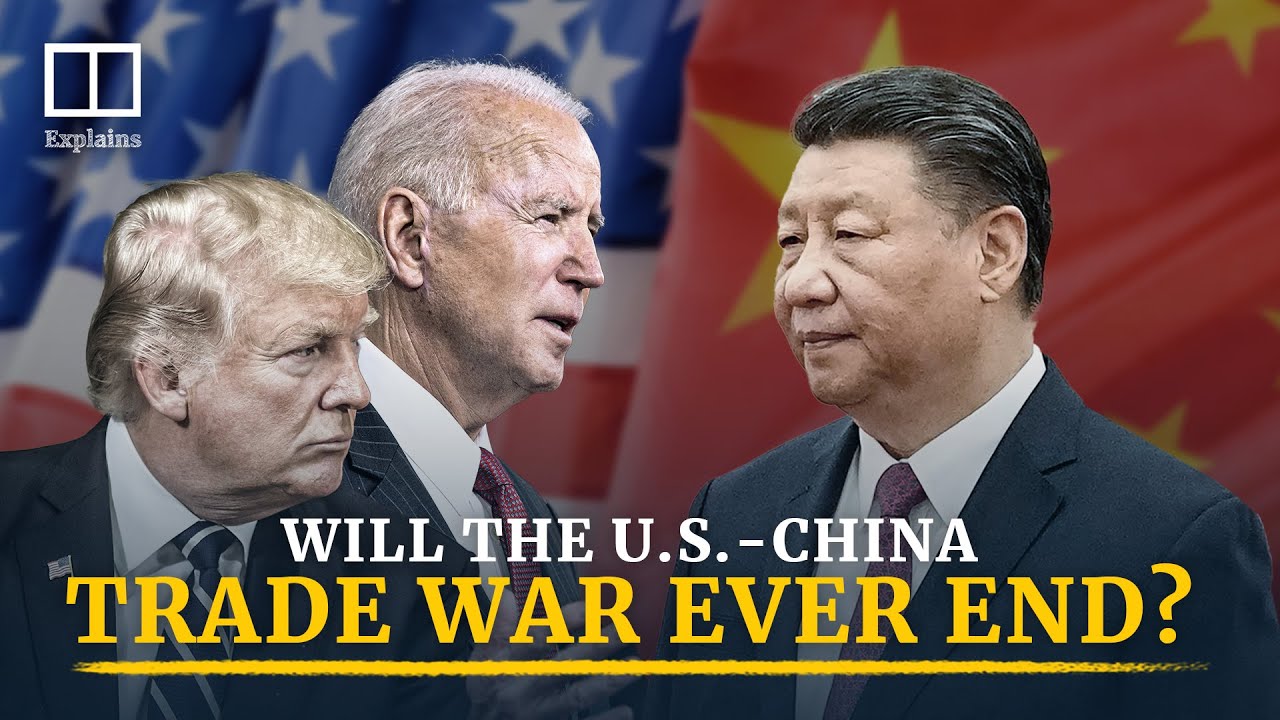
An unwinnable conflict? The US-China trade war, 5 years on
Investors noted that some global long-only investors had sold down China stocks and not come back, which left a hole in market liquidity, Wu added in the report.
“Market trading suggests both domestic and foreign investors are risk averse with China, staying in the comfort zones and focusing on high certainty targets,” Wang Qi, CEO of MegaTrust Investment in Hong Kong, said in a report on April 21. “The US-China relations (including Taiwan) present an extremely long risk, and such external uncertainties form the majority of China investment risks this year.”
Two-thirds of them said they planned to buy dips, while 22 per cent were inclined to sell into market rallies, Wu said. Consumption recovery and AI/ChatGPT were the two most favoured themes. The consumer sector was the top pick by 25 per cent of the respondents, followed by commodity and materials, she added.