China sovereign bond yields may fall to record lows next year on looser policies and easing of foreign outflows: analysts
- Expectations are growing the People’s Bank of China will cut benchmark rates to fuel credit demand next year
- Foreign investor selling, a headwind that has weighed on China’s government bonds, could wane and outflows may even reverse going forward

China’s government bonds are set to rally further in 2024, extending their recent bull run, and yields may hit new lows amid growing expectations the government will loosen monetary policy to spur growth, luring back foreign investors, analysts say.
The yield on the benchmark 10-year government bond may fall to a low of 2.3 per cent next year, according to Shanghai-based brokerage Shenwan Hongyuan Group while Zheshang Securities predicted a trough of 2.4 per cent. Both forecasts are lower than the current record-low yield of 2.472 per cent set on April 8, 2020.
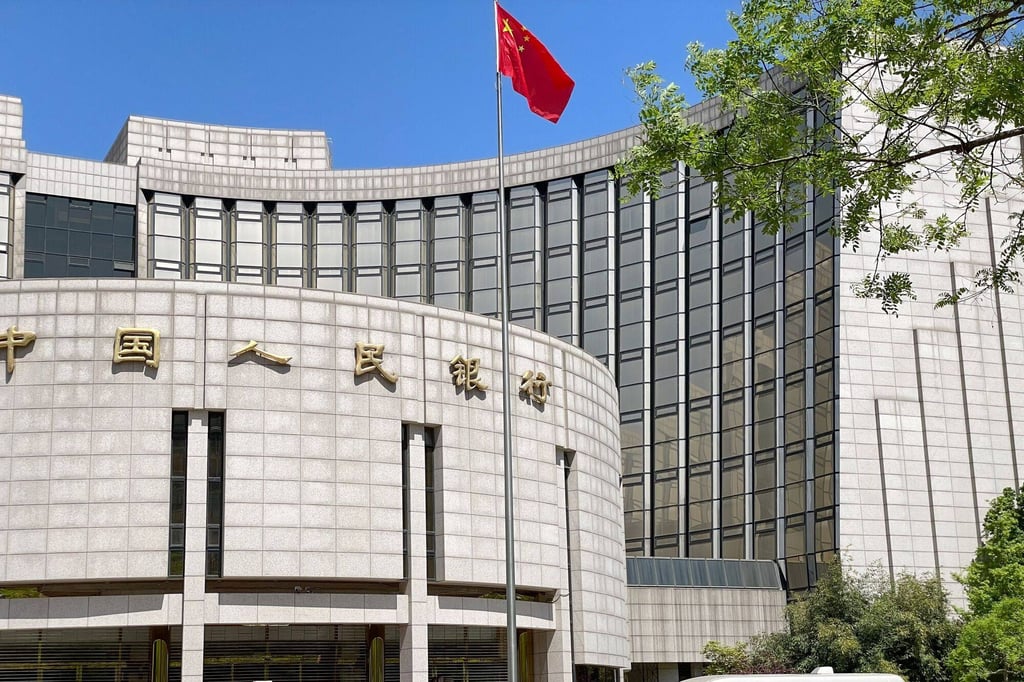
The People’s Bank of China will probably cut the loan prime rate (LPR), the benchmark lending rate, and the policy rates on the medium-term lending facility (MLF) to fuel credit demand next year, and cooling inflation in the US will ease fund outflows, the two brokerages said in a report this week. That would underpin Chinese government bond markets which saw the 10-year benchmark trading at a yield of 2.656 per cent on Friday.
China’s fragile economic recovery after three years of Covid restrictions has seen inflows into government bonds. But despite a swathe of growth-stabilising measures including a cut in banks’ reserve requirement ratio and the relaxation of restrictions on house purchases, investors remain nervous given the local government debt dilemma and the unresolved property sector crisis.
“We continue to be positive on the bond market in 2024,” said Jin Qianjing, an analyst at Shenwan Hongyuan Group in Shanghai. “On the backdrop of a property market-driven systemic decline in credit demand, there’s potential downside pressure on credit growth and there’s a need for the central bank to lower the LPR rate to stoke demand.”