China cultivates a grape-growing region, but it struggles to uncork great wines
Ningxia’s vineyards are the showcase for China’s plan to develop agriculture in the arid hinterland. But the region’s frigid winter, rising costs and competition with global brands have the industry over a barrel

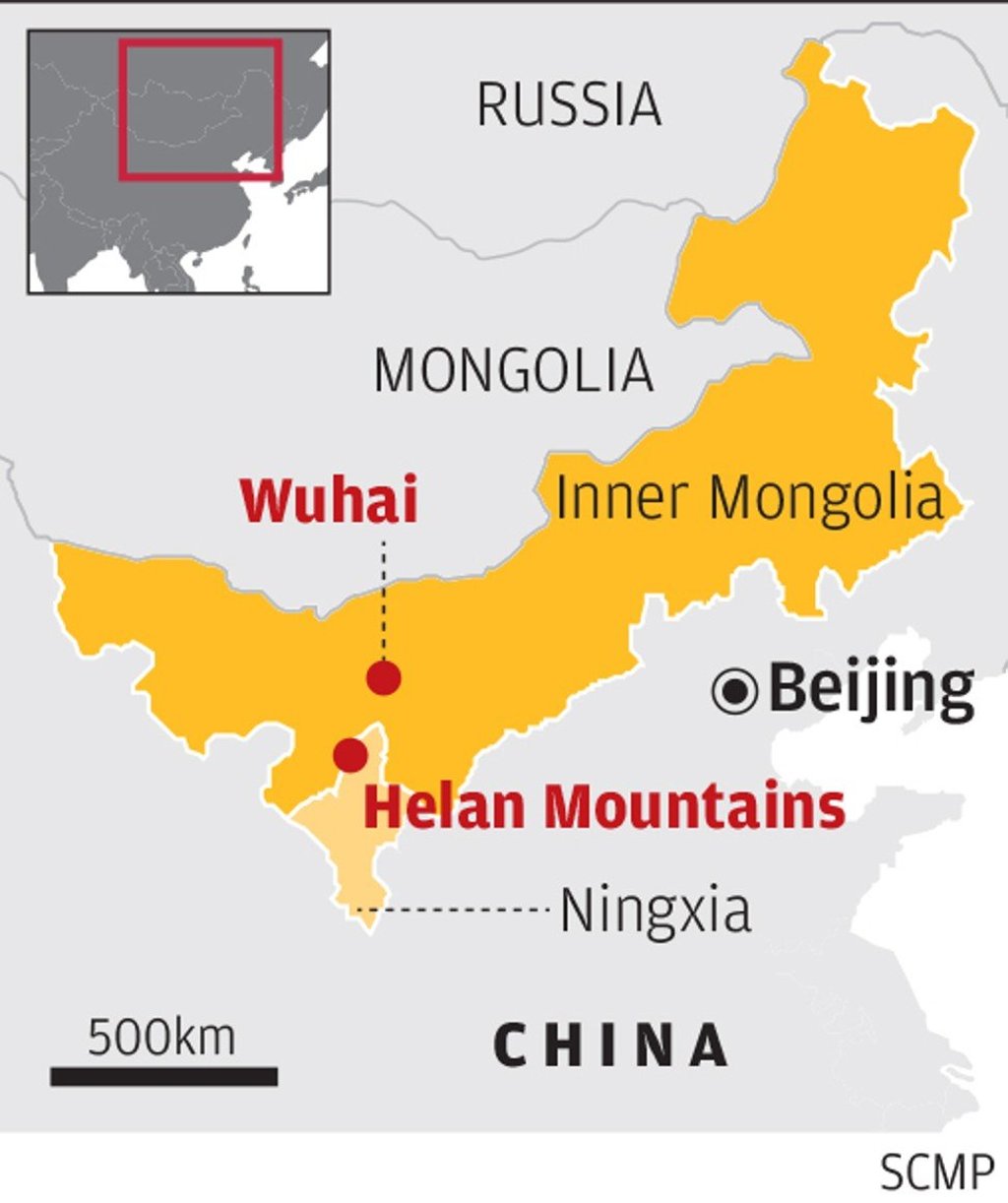
In the eastern foothills of China’s Helan Mountains, a 200km range that sets a north-south border between Inner Mongolia’s Alxa region and Ningxia, the cabernet sauvignon grape has supplanted the wolfberry as the biggest cash crop on this barren land.
Owned by Yuan Hui, who made his fortunes from sand mining, the vineyard produces a rose, a chardonnay and four merlot-cabernet sauvignon blends for China’s domestic market.
The vineyard is now being overseen by the founder’s 26-year-old daughter, Yuan Yuan, with advice from Bordeaux-based consultant Patrick Soye and the China Agricultural University’s viticulture professor Duan Changqing.
“I wanted to do something meaningful instead of just getting any other job,” she said during a recent media visit to her vineyard near Yinchuan. “We want to come up with a boutique wine.”
While Zhihui Yuanshi has been around for a decade, there are new plantations opening up in Ningxia just two hours away from the family-owned vineyard.