NewUnder Tesla’s bonnet lies the cause of lithium’s price surge
The price of lithium has risen almost threefold in two years, but the surge won’t disrupt demand, as the cost accounts for less than 5 per cent of the cost of a lithium-ion battery, said Galaxy Resources.

The price of lithium carbonate has jumped almost threefold in the past two years, amid surging demand for the key component to make lithium-ion batteries for powering electric cars and electronic gadgets.
Still, the surging cost won’t derail demand for them, because lithium carbonate, the majority of which is produced from ores mined in Australia and South America, only accounts for less than 5 per cent of the cost of a car battery, said a major lithium miner.
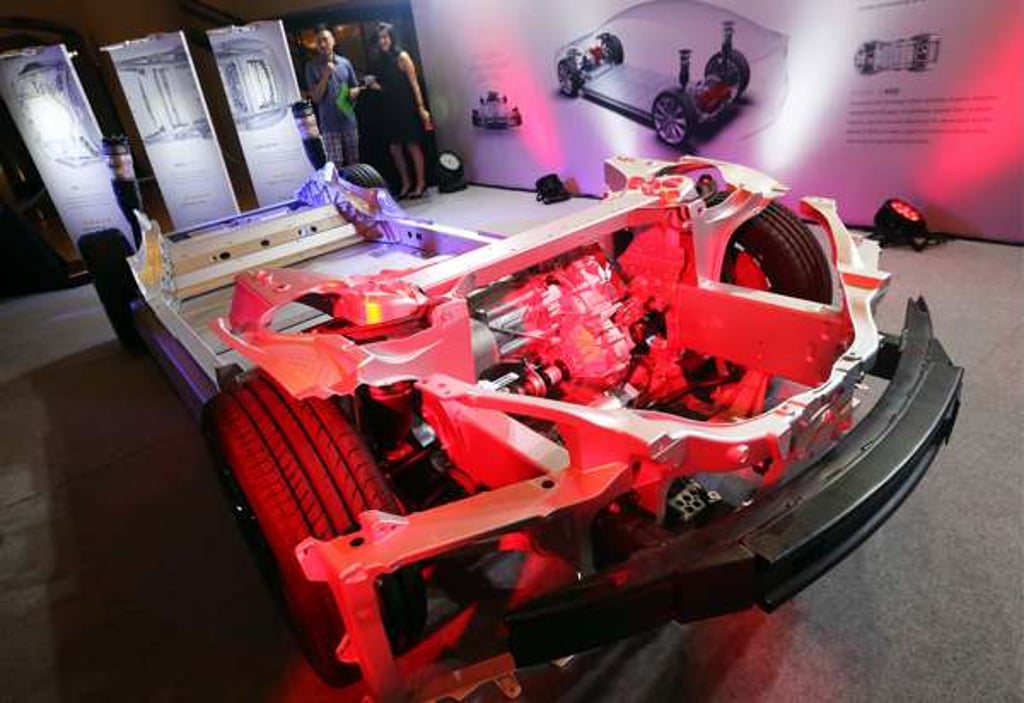
“While the price of lithium carbonate has risen from US$6,000 a tonne in early 2015 to around US$15,000 currently, the incremental cost impact of the lithium inside a Tesla car has only been a little over US$600, for a car with a selling price of over US$100,000,” Galaxy Resources managing director Anthony Tse said in an interview with the South China Morning Post.
The Australia-listed firm, once the world’s fourth-largest producer of lithium carbonate, reopened a mine in Australia in 2016 after years of closure.
It was helped by surging demand by electric vehicles, and to a smaller extent, from electronic gadgets whose demand for lithium is much smaller on a per unit basis.