Dual share class is a sore thumb in Hong Kong’s new tech board
Hong Kong’s proposed new board to draw tech and new economy firms and start-ups to list has received mixed views.

The Hong Kong Exchanges and Clearing’s proposed third board to draw technology and new economy firms to list in the city has received a general welcome from market players, but it is too soon to tell how big a draw it will become.
The new board announced by the exchange in a consultation paper on Friday limits listings to technology and new economy companies, and is intended to plug the gap that the bourse’s main board and the Growth Enterprise Market have not been able to fill.
The board will consist of two markets.
The premium market will target large companies that match requirements for the main board but have a dual shareholding structure. US-listed firms with dual share structures can apply for a secondary listing, and retail investors will be allowed to trade in this market.
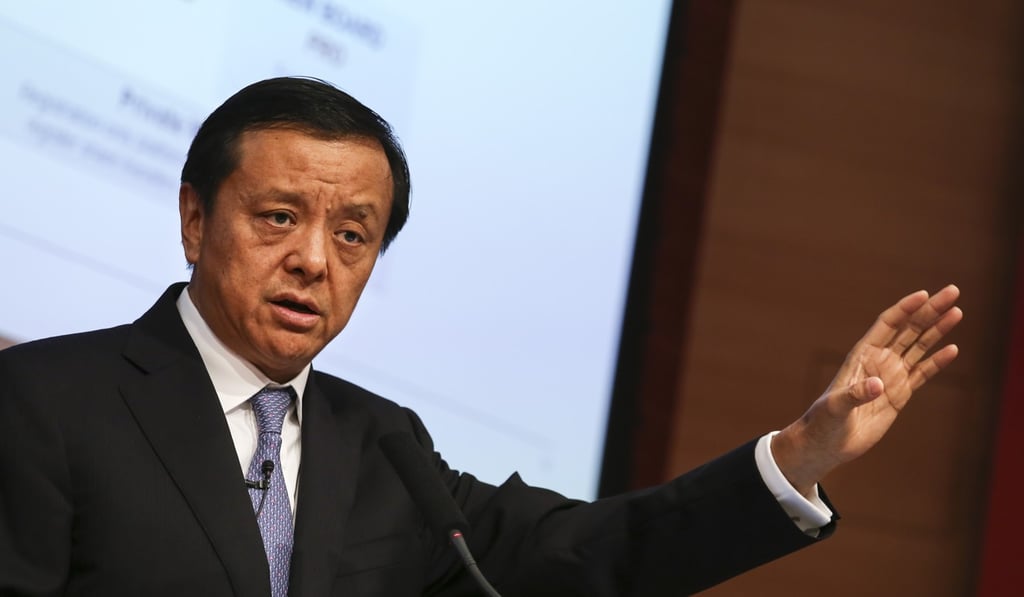
Charles Li Xiaojia, chief executive of HKEX said that overseas-listed Chinese companies with dual class structure currently banned from listing in Hong Kong, could now opt for a secondary listing.
“For the longer term, there is no reason why Hong Kong could not attract some big US technology and new economy companies to consider a secondary listing,” he said.