China’s regulator bars HNA’s Bohai and four insurers from funding parents’ war chests
China’s insurance regulator bars HNA’s life insurance arm from financing the group’s global acquisition spree.

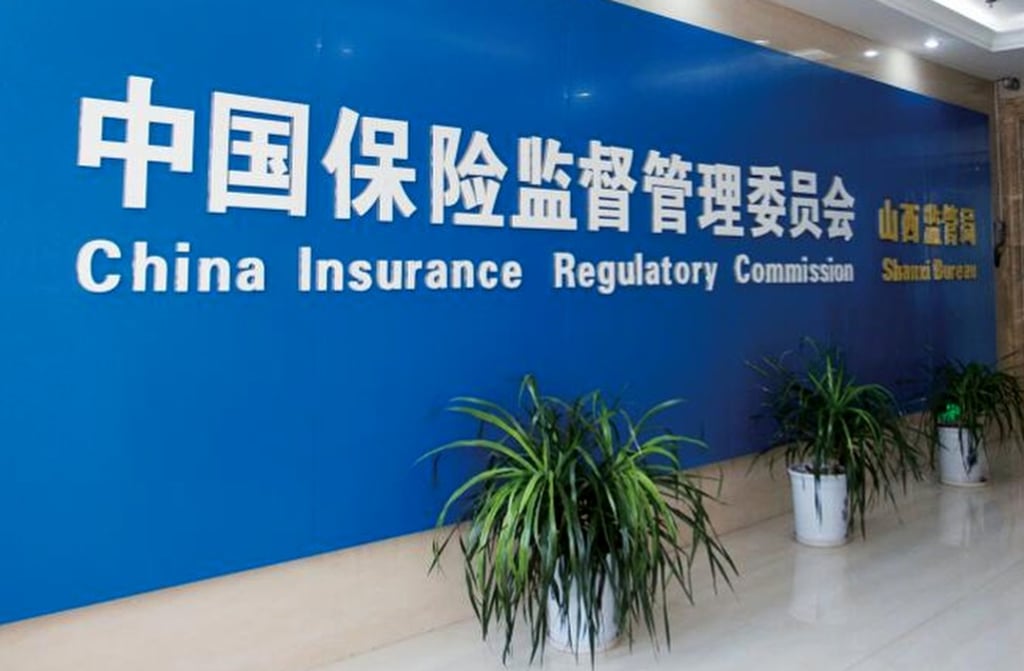
China’s regulator has barred five insurers, including the HNA Group’s Bohai Life Insurance unit, from providing “financial aid in any form” to their parents, in the latest move to cut off funding for some of the country’s most active asset buyers.
“Based on the on-site check and assessment from March 24 to April 15, we found your company had problems in managing shareholders, internal control, and related party transactions,” the regulator said. “Within six months from the date of issuance of this regulatory letter, your company is prohibited from direct or indirect transactions with the HNA Group and its related parties.”
“Beijing is tightening the screw s for HNA once more,” said Brock Silvers, managing director at Kaiyuan Capital in Shanghai. “This mean one avenue HNA used for financing is blocked, which will add difficulty to its financing and ongoing acquisition projects.”
Much of HNA’s acquisition was funded by debt, underscored by HNA’s disclosure that its total debt had doubled to almost 718 billion yuan (US$109 billion) in the 18 months ended June, compared with the end of 2015.
At least some of the funding for the shopping spree may have come from insurance units, which redirect premium payments from policy holders into war chests for acquisitions.