Nikon shuts its China camera factory, the latest victim of the do-everything smartphone

Nikon, one of the world’s largest producers of optics and imaging products, said it has shut a factory in eastern China that assembles cameras, becoming the latest victim of the ubiquitous smartphone that’s displacing more and more stand-alone gadgets from music players to cameras and hand-held navigation devices.
Operations at Nikon Imaging (China) in Wuxi had ceased, part of what the Japanese company calls a “global restructuring” in a press statement, requiring it to book a 7 billion yen (US$61.8 million) one-time charge.
The 2,200 employees at Wuxi, who’ve been making the Nikon 1 range of interchangeable lens cameras since 2002, will be dismissed, but will be compensated at standards higher than those required by Chinese law, according to a company spokeswoman.
“We will move some production lines elsewhere, with Thailand being one of the destinations,” said Nikon’s spokeswoman Luan Xiaofei. “But none of the plants will produce the same models of cameras we used to make in Wuxi.”
In the mass market, cameras are joining the portable music player, wearable pace counters and other electronic gadgets that have been reduced to standard features on the smartphone. With global smartphone sales growing 3 per cent last year to a record 1.5 billion units, the pain is most keenly felt among the entry-level devices with the lowest specifications.
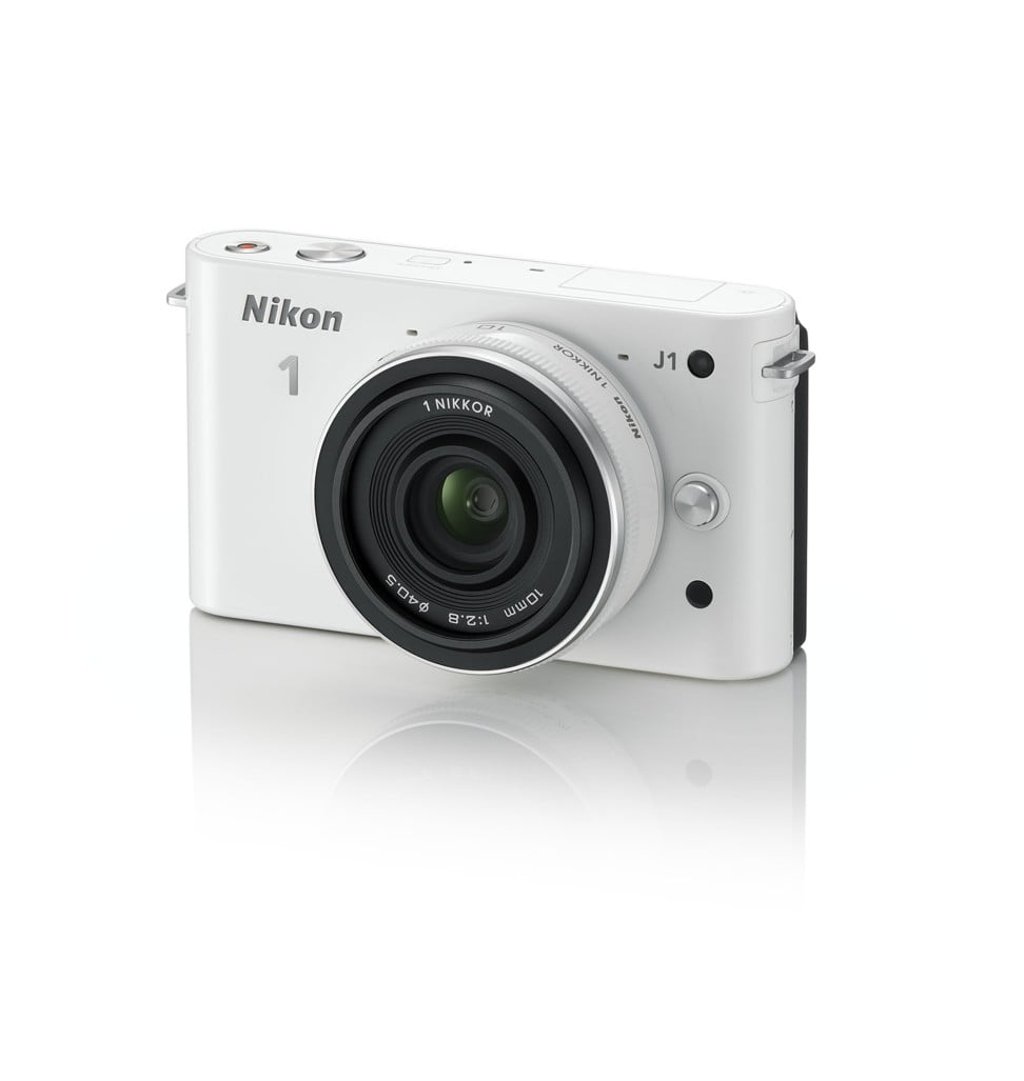
Chinese consumers have been abandoning stand-alone cameras in droves, causing the revenue at Nikon’s Wuxi factory - the sole facility by the Japanese company in China assembling complete cameras - to plummet 68 per cent to 1.2 billion yuan (US$181 million) last year, from 2012, the company said.