To stay relevant, Hong Kong port unveils remote-controlled cranes
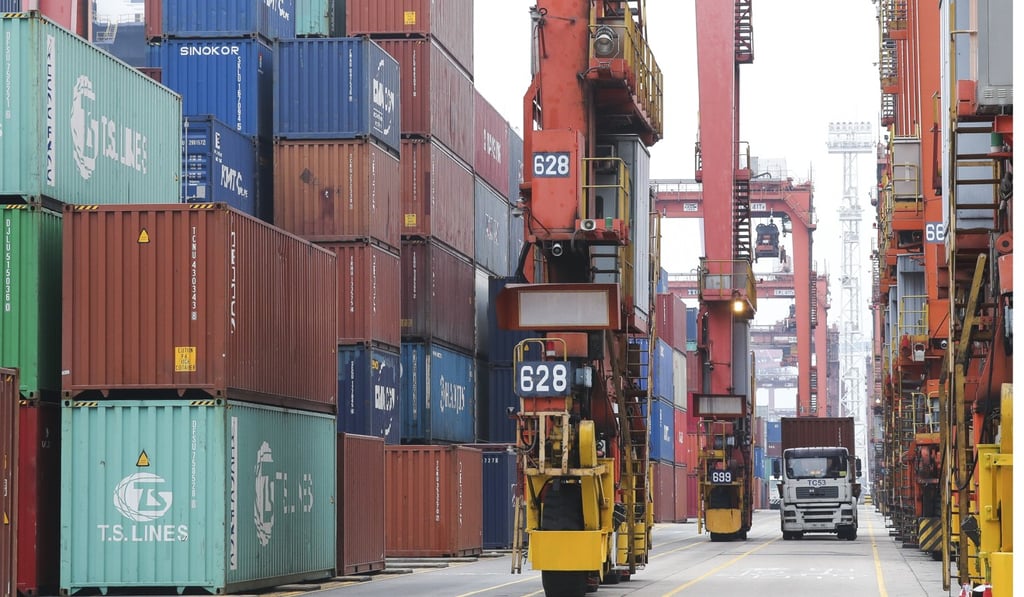
Hongkong International Terminals has installed 29 automated gantry cranes at Terminal 9 as part of a HK$2 billion technology upgrade programme

The move by Hongkong International Terminals (HIT) to install remote-controlled gantry cranes at Kwai Tsing container terminal will go a long way in improving the working conditions of its crane operators but will hardly improve the competitiveness of the city’s port.
HIT, the city’s leading port operator, has equipped its revamped Terminal 9 North with 29 remote-controlled gantry cranes, narrowing the technological gap with ports such as Qingdao in China where the day to day operations are fully automated.
Hong Kong was once the world’s busiest port in the 1990s all the way until 2005. But as ports in mainland China and Singapore emerged over the past two decades, the competitiveness of the city’s port significantly diminished. Now ranked as the fifth busiest for port throughput, Hong Kong port trails behind those in Shanghai, Singapore, Shenzhen and Ningbo.
Franco Ning, HIT’s general manager of operation, said the implementation of remote-controlled cranes is aimed at improving the work conditions of crane operators and attracting new talent.
“Last year, we lost about 30 per cent of our crane operators,” he said.