ExclusiveCarlos Ghosn’s biggest test yet: how to untie the Renault-Nissan-Mitsubishi knot in the tech age
The automotive world’s turnaround wunderkind and globalist par excellence says the industry’s future lies in services that combine technology and engines with applications

With the 2018 World Cup in full swing, Carlos Ghosn, chairman of the Renault-Nissan-Mitsubishi Alliance, has plenty to be optimistic about. Born in Brazil’s tin mining town of Porto Velho, raised in Lebanon and schooled in France, and as boss of a Franco-Japanese auto conglomerate headquartered in the Netherlands, he has a number of teams to support in the coming tournament.
“I support the winner,” Ghosn said when asked his preference.
Ghosn is best known for his turnaround of Nissan Motor, instrumental to the creation of the most successful merger in the global auto industry. In person, Ghosn manages to be both enigmatic and forthright, smoothly pivoting a conversation from topic to topic – a talent that would have been a key element in his survival. In his autobiography, he wrote that he always had the feeling of being different, from the outside, presumably making it easier to adapt to new environments.
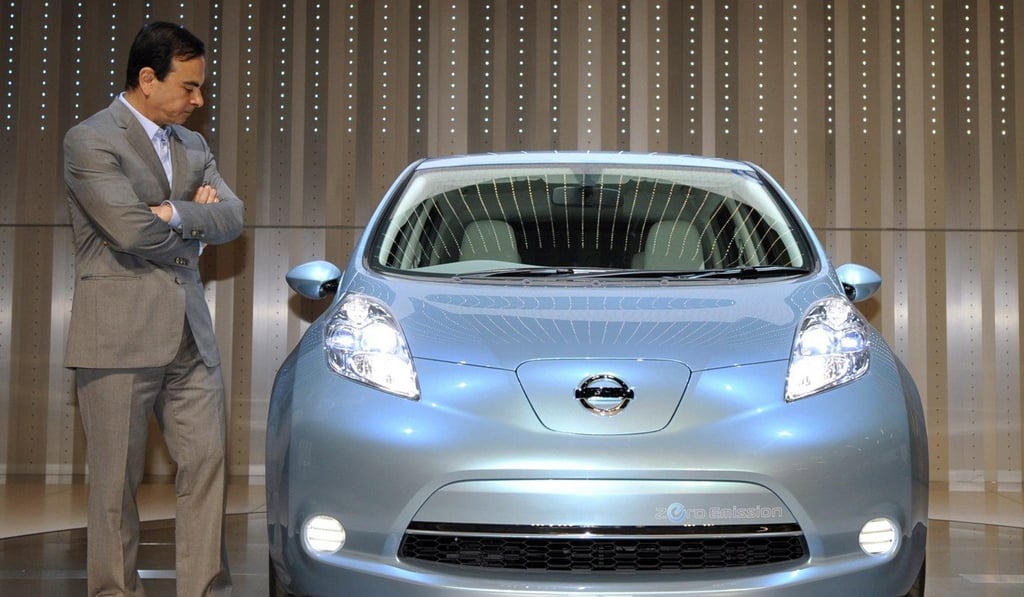
Just as much as Ghosn loves numbers, targets and deliverables, he also points to the intangibles: “You need for people to give you the ability to deliver,” he said at a recent interview with the South China Morning Post. “They need to feel that you are part of them, you are part of their culture, you are connected to them, their identity, that they are not afraid of you, and that what you propose fits their goals.”
Yet, the bottom line is always paramount. “You have to understand the importance of identity, but at the same time, you have to overcome it by understanding that there are some things that need to be done. But you don’t do more than is necessary, and it’s only for business purposes.”
It is like walking a tightrope between the needs of a corporate culture, often rooted in a national culture, and those of a business. “I don’t like it when people talk about a global leader as someone who went to school in Brazil or likes Thai food,” he said. “By definition, a global leader is someone who can deliver performance anywhere and everywhere. That’s a global leader. You can’t have a global leader who can’t motivate elsewhere (outside his or her own country).