Online health care platform injects hope into generic drug makers squeezed by China’s pricing reform
- 111 Inc plans to help China’s generic drug makers better compete by slashing marketing and distribution costs
- China’s largest online pharmacy has also signed a deal with Eli Lilly, giving the US pharmaceutical giant access to its cloud computing solution

Online health care platform operator 111 Inc plans to team up with generic drug makers that have failed to win public hospital tenders in a bid to help them survive by cutting distribution costs.
A pricing reform introduced recently by Beijing led to an average 60 per cent fall in winning bid prices at last month’s pilot centralised bulk drugs procurement in 11 cities. This coupled with the stipulation that up to 70 per cent of the purchase volume be given to a single winner mean that the losers will be under pressure to cut costs to stay competitive, according to Yu Gang, co-founder and executive chairman of 111.
“The [reform] means pharmaceutical companies will face a series of challenges including lower prices and restrictions on traditional distribution channels … we are the natural and desired distribution channel for them,” said Yu.
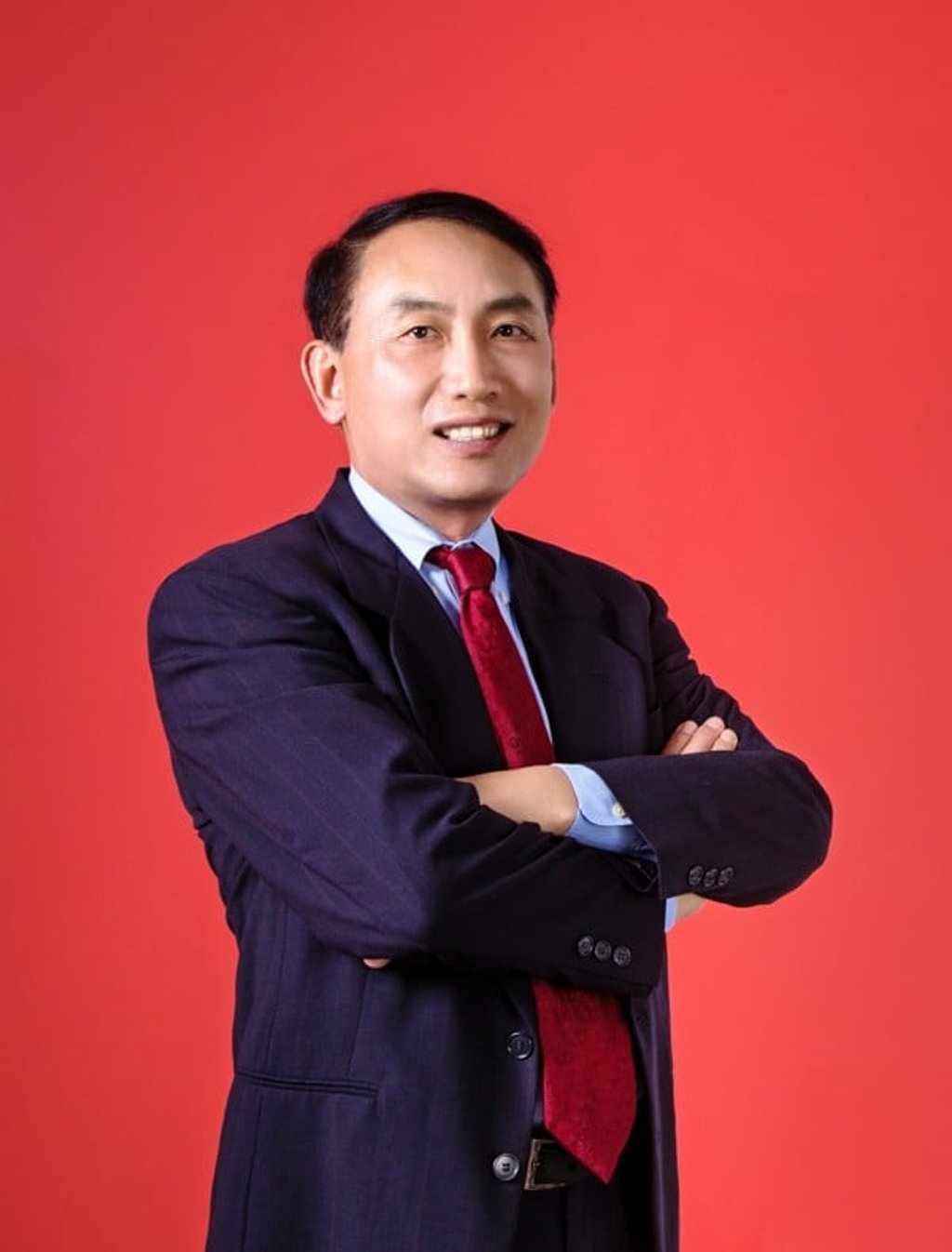
“They want transparency and efficiency which are criteria we can meet,” he told the Post in an interview on the sidelines of the JP Morgan healthcare conference in San Francisco earlier this month.
Beijing’s drugs pricing reform is aimed at slashing patients’ costs by cutting out layers of hefty marketing and distribution costs – including kickbacks to hospital workers, and forcing drug makers to vie for contracts.
Losers will not only be subject to price caps set by the winning bids, they will also have to contend with the need to compete among themselves for the remaining 30 per cent of the market that requires significant marketing and distribution costs to serve.