China’s big spenders are reining in on buying cars, jewellery and watches as confidence in personal finance cools, Credit Suisse says
- Young Chinese less interested in luxury purchases of jewellery and watches
- Consumer sentiment remains ‘strong’ in lower-tier cities

Chinese consumers are less confident about their personal finances, income growth and are cautious of making big purchases than they were a year ago as the country’s economic slowdown is beginning to weigh on sentiment, a Credit Suisse study has found.
The number of respondents expecting an improvement in the state of their personal finances in the next six months has “decreased significantly by 5 percentage points to 30 per cent in 2018, after a strong recovery in 2017,” according to the Credit Suisse Emerging Consumer 2019 survey.
The number of those surveyed who said it was a good time to make a major purchase declined one percentage point to 6 per cent year on year.
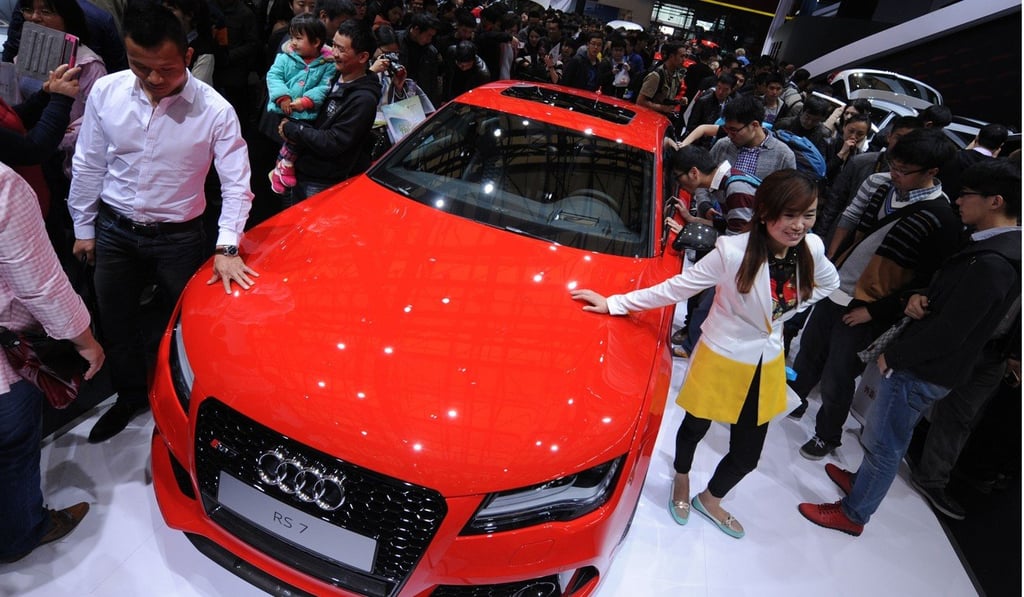
“This has made Chinese consumers less willing to spend across all categories, especially on large-ticket items such as cars and property, suggesting that a swift rebound in the industry data we have observed is unlikely,” Tony Wang, one of the study’s authors, said in the report.
The survey, conducted on Credit Suisse’s behalf by the research firm Nielsen, interviewed more than 13,000 people in Brazil, China, India, Indonesia, Mexico and Turkey, focusing on consumer expectations for their personal finances, inflation, household income growth and timing of big-ticket purchases. Seventy per cent of the respondents lived in urban areas.