Hong Kong’s suburban mall operator Link Reit seeks to engage opposition councillors after asset sales trigger protests
- Recent sales of assets to foreign investors have triggered community backlash on concern about higher rents, future of family-run stores
- Shares have dropped 18 per cent since July due partly to weak business sentiment following months of anti-government protests

Link Reit, the biggest real estate investment trust in Asia whose business practices have at times provoked protests from local communities, is looking forward to engaging with Hong Kong’s new slate of pan-democratic district councillors to improve their rapport.
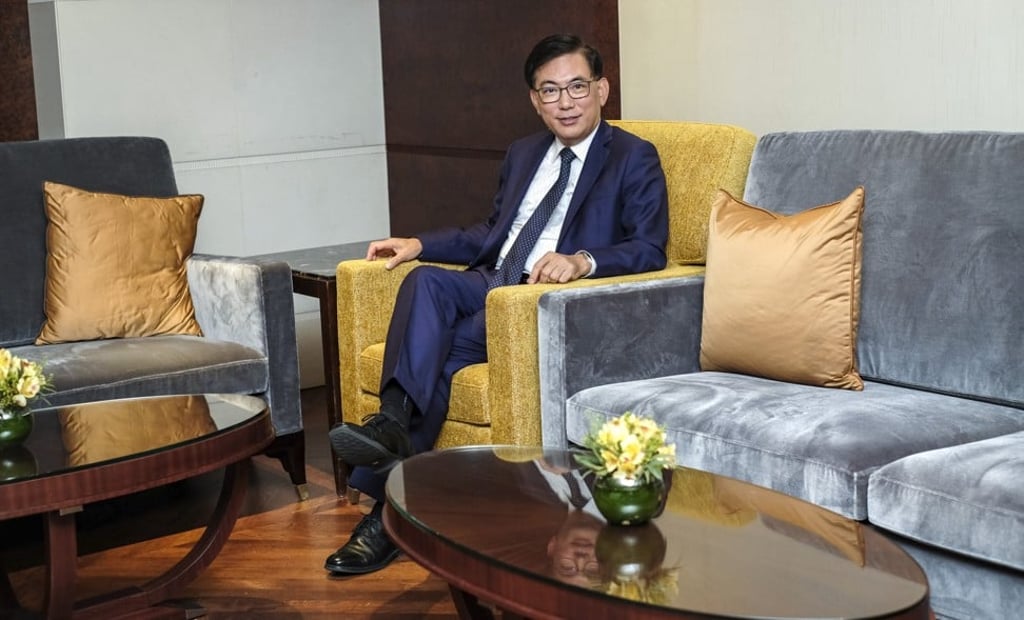
While some of the councillors are new faces in the local political scene, the company is keen to meet up with them to understand the views on the ground where Link Reit’s portfolio of assets, such as public wet markets and shopping centres are located, according to chief executive officer George Hongchoy.
“Obviously, some of them we do not know – they are new to us, so we want to meet them as soon as possible, to understand their vision for the districts,” Hongchoy said in an interview with the South China Morning Post. Now you see someone who can represent certain districts, so at least consultation can work.”
In Hong Kong’s district council elections on November 24, pro-democracy candidates swept 17 of the 18 district councils that previously were all controlled by pro-Beijing parties.
The elections followed almost six months of anti-government protests that left retail outlets and public property damaged during the city’s worst political crisis.
The company has drawn flak from citizens for some of its decisions to sell its assets to foreign investors. They worry that the new owners would drive up rents and force local family-run stores out of business. Hong Kong ranks as the world’s most expensive city, alongside Paris and Singapore, according to the Economist Intelligence Unit.