Shanghai’s mayor orders city’s bureaucrats to undergo a culture change in charm offensive to attract foreign investments
- Officials in the local authority should behave like attendants at a retail store, rather than bureaucrats with power to approve projects, said Shanghai Mayor Ying Yong
- Ying cites the success of Tesla’s US$2 billion Gigafactory in Shanghai as proof that a friendly attitude achieves results

The mayor of China’s commercial hub has instructed Shanghai’s bureaucrats to undertake a change in their work culture, as he cites Tesla’s US$2 billion Gigafactory in the city as proof that an investor-friendly attitude helps attract foreign investments.
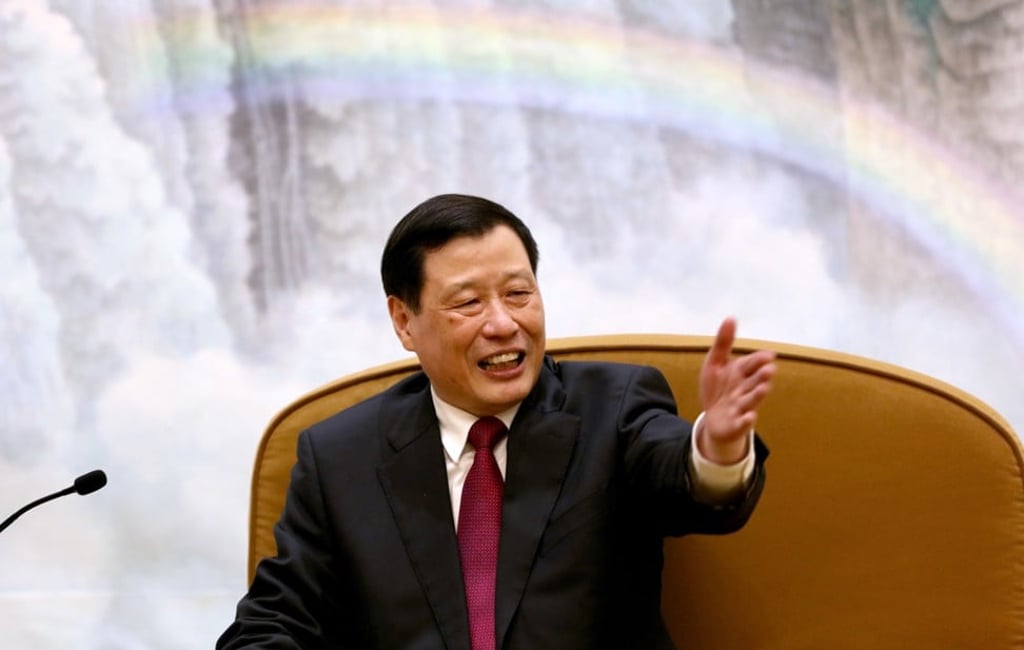
Officials in the local authority should behave like attendants at a retail store, rather than bureaucrats with power to approve projects, said Ying Yong, at the conclusion of the Shanghai legislative meeting.
“By improving the business environment, the local government departments are supposed to act as shop assistants to serve foreign investors,” Ying said. “Authorities must not be arrogant and intimidating, but need to be responsive to foreign investors’ requests.”
Shanghai’s government is making fresh overtures to woo foreign investments and talent to spur the city’s development, two decades after China became a member of the World Trade Organisation (WTO). The Chinese economy has expanded 11-fold in US dollar terms since 2000, but the rush by foreign investors has tapered off, amid complaints of red tape, unfair competition, operational barriers and the lack of intellectual property protection.
Shanghai’s gross domestic product, which expanded 6 per cent last year at the low end of the local government’s target of between 6 per cent and 6.5 per cent, needs foreign capital to keep the city of 20 million residents growing at the current pace.
After Beijing and Washington signed the phase one trade deal last week, Shanghai is determined to lure more foreign capital to increase its economic might worldwide, said Yin Ran, a Shanghai-based angel investor dealing with the manufacturing sector.